

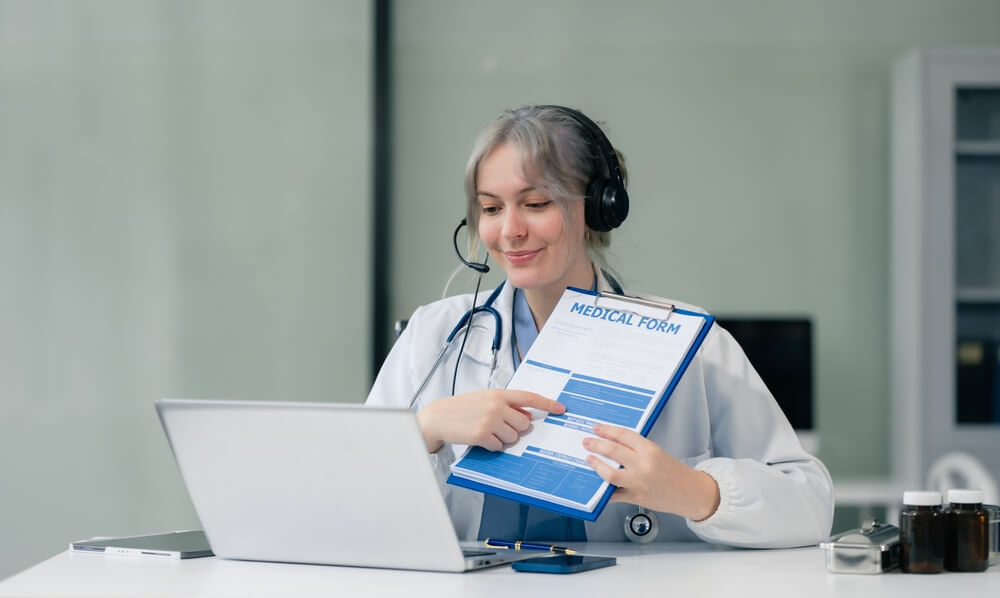
The healthcare sector primarily functions on collaboration between multiple roles to provide the best possible care to the patients. While basic medical knowledge is a prerequisite for every job at a practice, much of the clinical staff is formed by assistive personnel. Either licensed or otherwise, alongside secondary healthcare providers.
Such as the job of Physician Assistants, who are a highly trained coterie of medical professionals working to support physicians with day-to-day tasks in tending to the patients. Their significance in the healthcare setting is underscored by the increasing rate of employment of PAs in the US, which is projected to grow 20% from 2024 to 2034, much faster than the average for all occupations.
What Is a Physician Assistant (PA)?

A physician assistant (PA) is a licensed medical professional who provides optimal patient care under the supervision of a physician. They are trained to do everything a physician does, including diagnosing illnesses, prescribing medicines, developing treatment plans, and even performing procedures.
The core distinction between a physician and their assistant is the scope of training and education. The former undergoes over 7 years of education and residency for independent practice; meanwhile, PAs are required to complete a 2–to 3-year master’s program along with relevant certifications and job experience.
What Does a Physician Assistant Do?
A physician assistant has a versatile skillset depending on the clinical setting and number of certifications. By gaining expertise in preventive care, acute care, and chronic disease management, PAs cover a lot of ground in medicine, allowing physicians to focus on more complex cases.
Responsibilities of a virtual physician assistant typically includes telehelath that is conducting consultations via telecommunication technology such as phone or video calls, reviewing and managing patient histories and documentation, interpreting lab results for diagnosing illnesses, and more.
Despite being available virtually, Physician virtual assistants are essentially involved in primary patient care and are often in direct correspondence with them.
Key Duties and Responsibilities of a Physician Assistant
 The primary job of a physician assistant is to support physicians during day-to-day patient care, improving workflow efficiency in a fast-paced medical environment. From patient evaluation to surgical assistance, physical assistants play a crucial role in ensuring smooth operations across the practice.
While traditional physician assistants are equipped to provide in-person, hands-on clinical care to patients, such as performing physical exams and procedures, virtual PAs utilize telemedicine to support physicians. Their contribution to telehealth remains crucial due to the evolving nature of medicine, involving both clinical and administrative care.
→ Virtual Examinations: Virtual physician assistants are trained to conduct, assess, and document patient assessments via means of telecommunication technology such as audio or video calls.
→ Diagnosis & Treatment: After a thorough review of the patient’s condition, they help physicians in diagnosing illnesses and subsequently formulating a customized treatment plan for them.
→ Prescription & Orders: Physician assistants may order diagnostic tests and imaging depending on the patient’s condition and prescribe relevant medications.
→ Triage and Communication: PAs are responsible for handling correspondence with patients, offering proper guidance for the best possible care.
→ EHR Management: Working under the guidance of a licensed physician, PAs are tasked to maintain accurate, real-time documentation in Electronic Health Records.
Essential Skills of a Physician Assistant

Key skills of a virtual physician assistant extend beyond mere clinical training, encompassing technology proficiency, compliance, and data security knowledge.
A good VPA must have:
Strong Clinical Judgement
Virtual physician assistants must rely on patient history, data interpretation, and critical thinking for diagnosis and treatment due to the impediment of physical exams
Digital Communication Skills
Required for clear and empathetic correspondence with patients.
Telehealth Proficiency
VPA must be adept in telemedicine platforms and remote monitoring tools for seamless operations.
Compliance and Data Security
Physician assistants working remotely must be provided additional training for HIPAA compliance to avoid security risks around patient data.
Where Do Physician Assistants Work?
Physician assistants form the backbone of a healthcare facility, as their skillset is highly versatile and may vary as per the healthcare organization they are working in.
They sometimes work in general telehealth and virtual care platforms to support remote consultations and clinical documentation across digital care systems. However, many physician assistants offer their services to specialty-specific organizations as well.
Common virtual PA practice areas include:
General clinics, where they manage routine visits, chronic condition follow-ups, revising medications, and patient communication.
Specialty clinics, VPAs are categorized based on the provision of coordinated patient care in several specialized care units, such as psychiatric, cosmetic physician assistants, orthopedic physician assistants, and aesthetic physician assistants, among others.
One such type is a dermatology physician assistant, who reviews patient-submitted images to virtually evaluate skin conditions. After reaching a diagnosis, they ensure timely communication with patients to manage treatment follow-ups and coordinate prescriptions.
Benefits of Hiring a Physician Assistant for Your Facility

A physician assistant offers incomparable support in a clinical setting, especially considering their versatile skillset and ability to handle the daily grind of patient care.
Physician assistant duties entail both clinical and administrative tasks that greatly help frontline medical professionals prioritize and focus on more complex procedures.
Hiring a virtual physician assistant for your healthcare facility promotes productivity and reduces burnout among physicians as the former are able to seamlessly handle documentation, follow-ups, and routine patient care.
With your physician assistant online working for you, remotely, you will also be saving significant costs typically associated with in-house physician staffing, requiring office space, equipment, and other benefits.
Remote care by VPAs greatly improves patient experience with wider outreach of healthcare via telehealth.
Physician Assistant vs Nurse Practitioner
Physician assistants and nurse practitioners have similar basic duties that include diagnosis, treatment, and prescribing medications to patients.
The primary differences lie in their training approaches and ability to work independently.
→ Training Models. PAs focus on disease pathology and diagnosis, offering generalized or collaborative care.
Meanwhile, the training model for nurse practitioners is strongly patient-centered, such as disease prevention and post-operative care.
→ Practice Authority. The training scope of a nurse practitioner allows them independent practice in many states, while PAs can only work under the supervision of a physician.
→ Specialty Flexibility. Physician assistants typically train as general practitioners, and thus can switch specialties without further certifications.
NPs receive population-specific training, such as pediatrics and acute care, and require recertification to change specializations.
Hire The Best Physician Assistant For Your Practice With Health & Jobs

Hiring a Virtual Physician Assistant for your healthcare facility requires more than clinical credentials, especially due to their special circumstances as working remotely. Regardless, as a trusted staffing agency, Health & Jobs supports medical practices by connecting organizations with experienced physician assistants and other talented and trained personnel around the globe.
We bring together a clique of highly-trained physician assistants, who are not only fully licensed but also equipped with the skills required to function in remote settings. They are HIPAA-compliant and ready to integrate into your existing workflows.
Why Hire With Health & Jobs?
- Access to pre-screened, qualified healthcare professionals ready to work from day one…
- Expertise across clinical, administrative, billing, and support roles.
- Faster hiring with reduced time-to-fill critical positions.
- Strict credentialing, compliance, and background verification for every candidate.
- Flexible hiring options: temporary, permanent, remote, and contract staffing.
- Cost-effective staffing solutions that reduce recruitment and overhead costs.
- Deep understanding of US healthcare regulations, workflows, and standards.
- High retention focus through role-fit matching and ongoing support.
- Dedicated account management for personalized hiring solutions.
- Proven track record of helping healthcare organizations scale safely and efficiently.
Connect with us to access top-tier virtual PA talent and build a more efficient healthcare model.
FAQs
What is a physician assistant?
A physician assistant is a highly trained professional who practices medicine under the supervision of a physician.
Is a physician assistant a doctor?
While a physician assistant is trained to diagnose and treat patients, they are not a doctor and can only work in collaboration with licensed physicians.
Can a physician assistant prescribe medication?
Yes, depending on state regulations, physician assistants can prescribe medications under physician supervision.
What is the difference between a physician assistant and a nurse practitioner?
Differences between a physician assistant and a nurse practitioner lie in their training models and ability to work independently.
How quickly can a PA be placed through a staffing agency?
Placement timelines via physician assistant staffing agencies vary and largely depend on availability and licensure.