


None of the workforce shortages in the US were documented as closely as these. A recent AAMC study projects that by 2034, the US will lack 124,000 physicians, as well as numerous other nurses, allied health professionals, behavioral health, administrative support, and healthcare technology positions.
This isn’t just a shortage of staff within the walls of the healthcare facilities…
There is a shortage of staff to help manage the care and treatment of people. There is a shortage of healthcare workers who help with the administrative and operational functioning of the care systems.

Fortunately, this is also where healthcare organizations are innovating. Virtual healthcare professionals support administrative and operational tasks from anywhere in the world. Remote clinical staff have a real positive impact through the support and clinical tasks they perform…
Now, the staffing of healthcare facilities is no longer the only focus of operational healthcare staffing. The growing use of remote healthcare professionals is a workforce strategy to support the adaptability and competitiveness of primary facilities and healthcare systems overall.
What are the Health System Challenges in the United States?
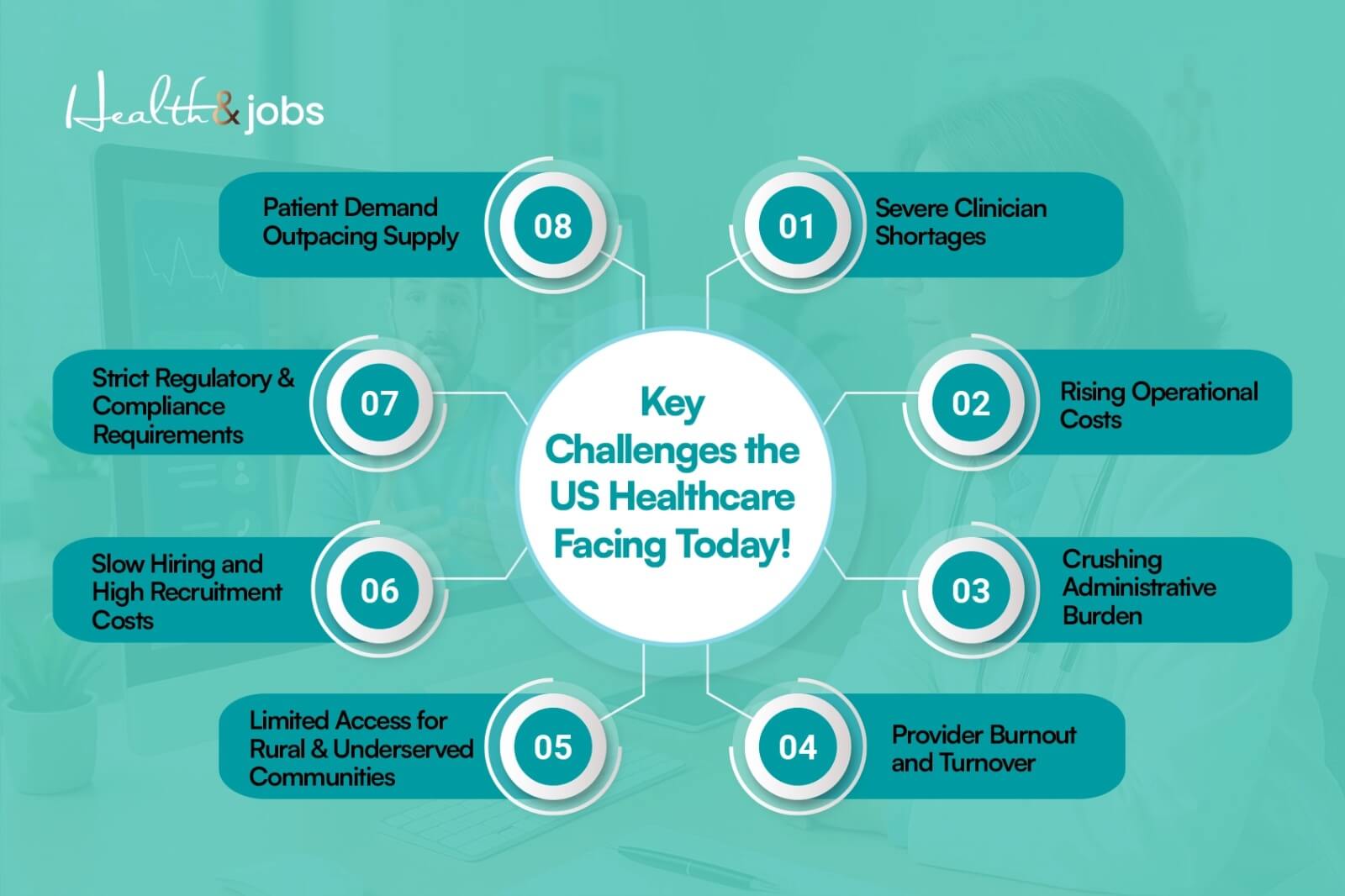
Below are the major problems faced by the US healthcare system due to the talent crisis in the healthcare field:
1. Growing Deficiency of Healthcare Employees: The lack of healthcare staff is evident in all fields of healthcare:
→ Nursing: The American Association of Colleges of Nursing (AACN) reports that the field is expected to lose over 1 million nurses by the year 2030 because of retirement.
→ Physician: There is a shortage in primary care, internal medicine, psychiatry, etc, due to the retiring workforce and the age demographic of the population.
→ Allied Health Labor: There is a great deficiency amongst radiology, laboratory technicians, medical assistants, and pharmacy technicians.
→ Administrative and Support Positions: These positions include medical billing, coding, patient coordination, revenue cycle management, and scheduling, and all of these are experiencing a high turnover.
The gaps in staffing create operational bottlenecks. This leads to delays in healthcare provision and results in increased burnout of the staff.
2. Healthcare Staff Costs: Healthcare labor costs have been increasing rapidly every year since 2020. Many companies can no longer afford traditional staffing models of in-area hiring, travel nurses, and temporary contracts.
3. Staff Jump: Staff turnover and burnout are driven and increased by excessive amounts of work, overwhelming paperwork, and too little ongoing support. Physicians have to deal with stacks of paperwork, resulting in more than 35% of their time spent on documentation rather than seeing patients.
 4. Rural Healthcare Gaps: There is a shortage of specialists and core health services in many rural and underserved regions of the United States, which creates and worsens health inequities.
5. Inefficient Talent Pipelines: Recruiting, onboarding, and training new staff is extremely time-consuming, and large health systems combined with remote telehealth environments make the telehealth remote staff retention and staffing problem even more complex.
The remote telehealth provider personnel’s primary staffing management system is directly responding to and solving these major healthcare telehealth staffing management system challenges.
How Remote Medical Staffing Addresses These Challenges?
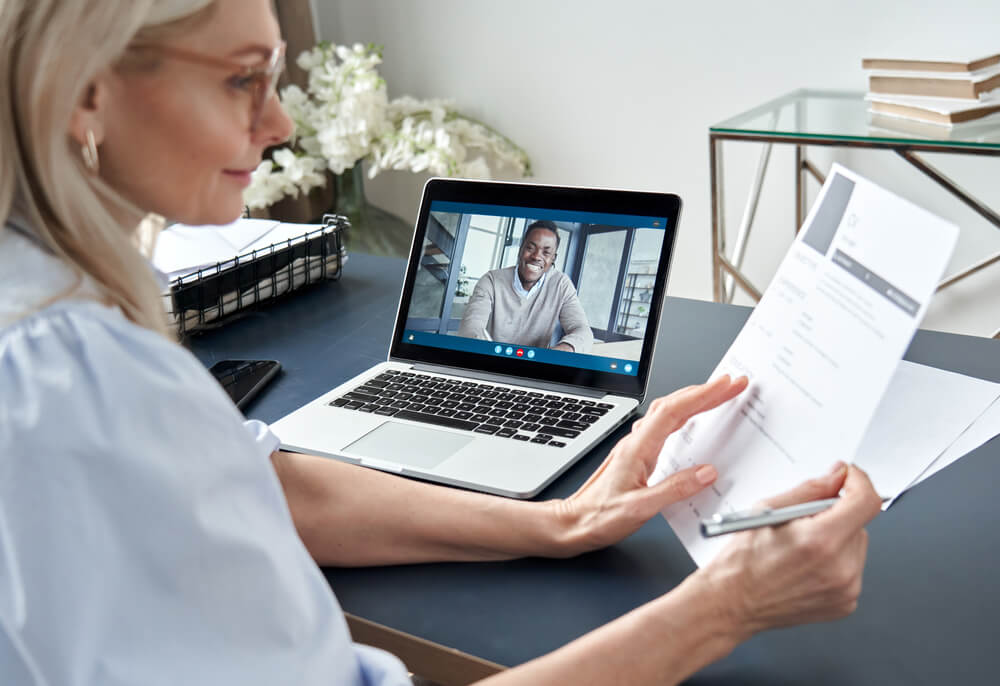
Remote talent acquisition enables healthcare organizations to tap into a broader pool of talent, regardless of remote location restrictions.
Here is how it solves the most relevant issues:
Increasing Availability of Global Talent
Remote staffing allows organizations to engage with new talent from all over the world, therefore having access to the best medical, administrative, and technical expertise continuously, especially when there are no local resources.
Significant Cost Saving
Remote employees reduce staffing costs by 50–70% compared to in-house roles. Organizations eliminate underutilized overhead costs associated with:
- Workplace
- Employee benefits and health insurance
- Hiring and training new employees
- Agency costs and markup for temporary workers
Such cost advantages provide access to well-staffed staffing for even smaller healthcare organizations.
Less Administrative Work for Providers
Remote healthcare professionals can provide support for:
- Clinical Documentation (Virtual Scribe)
- Patient intake and appointments
This can help providers focus more on healthcare and reduce documentation.
Increases Flexibility of Workforce
Remote employees can be added or removed from the team based on the number of patients seen, the time of year, or new types of services offered, eliminating the headaches of standard recruitment processes every time there is a need for change.

Improved Access To Healthcare And Patient Satisfaction
Remote staff allows healthcare organizations to provide:
- Communication with patients at any time, day or night…
- Appointment scheduling that is more efficient and quicker!
- Better processes for telehealth services.
- Faster care and assistance after the patient sees a healthcare provider.
- More patient satisfaction and more positive healthcare outcomes.
What are the Benefits of Hiring a Remote Medical Workforce?

There are many benefits you will get when you hire a remote talent for your practice. You will get:
- Cost savings on labor.
- Increased efficiency of operations.
- Less time spent on administrative tasks.
- Improved quality of documentation and compliance.
- Increased patient engagement and retention.
- Access to various and hard-to-find skills.
- Service diversification without the need for additional physical infrastructure.
→ Advantages of remote support for Doctors, Nurses & Medical Practitioners
- Lower documentation demand.
- Increased patient interaction.
- Improved balance between work life and personal life.
- Inclusion of virtual assistants and clinical scribes in daily practice.
- Decreased stress and increased levels of burnout.
- Assistance with telehealth workflows.
The Future of Healthcare Staffing in the United States of America!
Healthcare staffing in the United States of America is expected to remain hybrid and digitally global with the following trends:
After the emergence of virtual-ready healthcare positions, the following positions are mostly modified to fit remote work:
- Billers & Medical Coders
- Nurses for Telehealth
- Medical Assistants
- Customer Service for Healthcare
- Clinical Scribing
- Data Analysts
- Coordinators for Remote Healthcare
- Executive Assistants
Hire talented, highly-qualified, and trained remote staff with Health & Jobs. Ready to work with you from day one!
Health & Jobs: Best Remote Healthcare Talent Staffing Company!
Our organization has the most extensive and adaptable healthcare staffing solutions available in the industry.
We provide highly-trained, qualified, global staff to United States healthcare practices, on demand. Our services include:
Remote Clinical Support Staffing:
- Virtual medical assistants
- Clinical scribes
- Telehealth nurses
- Billing coordinators
- Patient follow-up specialists
Administrative & Back-Office Staffing
- Medical billing & coding
- Revenue cycle management
- Patient scheduling & intake
- Insurance verification
- Healthcare customer service
- Hr & Payroll Support
All remote medical professionals have received training on HIPAA, contemporary healthcare technologies, EMR and EHR platforms, and standards in US healthcare.
How Our Remote Medical Staffing Works?
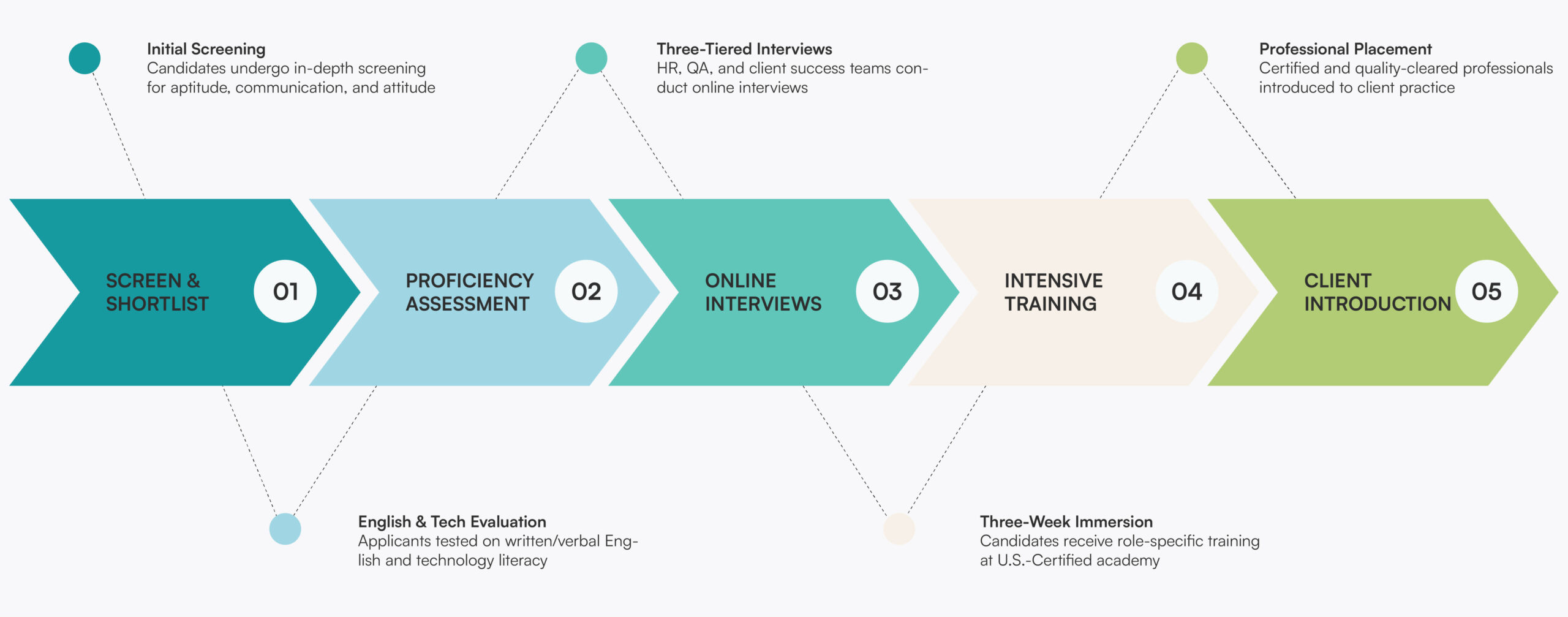
Integration, support, and quality adaptability are assured through our processes.
→ Discovery & Specification. We identify the needs in your staffing, such as role, specialty, hours, certification, and workflow.
→ Talent Acquisition. We do talent acquisition for healthcare, and we train the highly-qualified staff. We offer to connect you to pre-qualified, remote medical professionals with the appropriate skill level needed for the jobs discussed.
→ Integration & EMR training. Remote talent incorporation into your existing and current workflows, as well as training on your EMR/EHR, SOPs, and other communication flows, is our responsibility.
→ Remote Medical Staffing Performance. We monitor key performance indicators relative to documentation, patient satisfaction, claim turnaround time, and overall productivity.
Why Remote Medical Staffing Should Partner With Us!
 Selecting the best remote staffing partner for your medical practice is a challenge. Here is what makes us stand out from the rest.
1. Healthcare Only! We are not a general outsourcing company. We focus our attention on healthcare-related staff.
2. Extremely Vetted Professionals.
All our staff have had the following done on their records:
- Background checks.
- Skill evaluations.
- HIPAA compliance training.
- Testing in medical terms.
- Assessed on their proficiency in EMR/EHR…
3. Transparency Without Surprises. There are no hidden fees or agency markup costs on our services.
4. Full Adaptation To Your Workflow. We customize our services according to your convenience for the systems you have in place, business processes, and preferred methods of communication.
5. Account Management. There is personalized service and a devoted team for ongoing assistance.
6. Flexible, Reliable, and Scalable. We are able to meet any requirements you have, whether it is a single virtual medical assistant to a complete RCM remote team. We adjust to your staffing needs.
Get Started: Build Your Remote Healthcare Team Today!
How about solving staffing challenges and saving costs while improving efficiencies at the same time?
The answer is simple- partnering with a professional remote medical staffing provider.
World-class remote medical workers are ready and available to serve your practice at a much lower cost than in-house staffing.
Contact Now! Build your virtual healthcare workforce today.
FAQs
How do healthcare organizations get remote medical staff?
They partner with a professional healthcare talent agency (like us!) that specializes in remote medical professionals’ healthcare screening, training, and deployment.
How does remote medical staffing help in reducing healthcare costs?
Over head costs and recruitment costs get eliminated with remote talent. Hired medical professionals deliver support at highly skilled levels, and costs are lowered. Anywhere from 30-70% vs. industry standards.
How are your healthcare staffing services different?
Exclusively healthcare remote staffing, strict vetting, HIPAA-compliance, transparent costing, and easy integration with your workflows.
What are some of the healthcare positions that can be filled with your staffing services?
We staff remote medical assistants, nurses for telehealth, clinical scribing, medical coding and billing, patient scheduling, revenue cycle management specialists, technology support teams, etc.
Do your remote medical specialists know how to use the latest medical technology?
Yes. All employees have training in current EMR/EHR systems, telehealth applications, compliance with US healthcare regulations, and AI device workflow management systems.