02Mar

How Virtual Wellness Assistants Improve Patient Outcomes and Help Practices Thrive

Wellness and healthcare practices are rapidly developing since technology is increasingly a larger constituent of patient care. Wellness center clinics currently have a great number of appointments, contacts with patients, documentation, and follow-ups, which tends to waste time. It has been found that physicians are spending considerable amounts of time during a week on administrative tasks instead of actual patient care, and this is one of the causes of burnout and inefficiencies in healthcare systems.

This is where virtual wellness assistants are making a difference….

They enable the providers to work on the areas that matter most through the management of routine tasks remotely and thus delivering better care and improving patient outcomes. 

This article will discuss the nature of virtual assistants for health coaches, their capabilities, and roles in assisting wellness centers to expand, as well as enhance patient experiences.


What Is a Virtual Wellness Assistant?
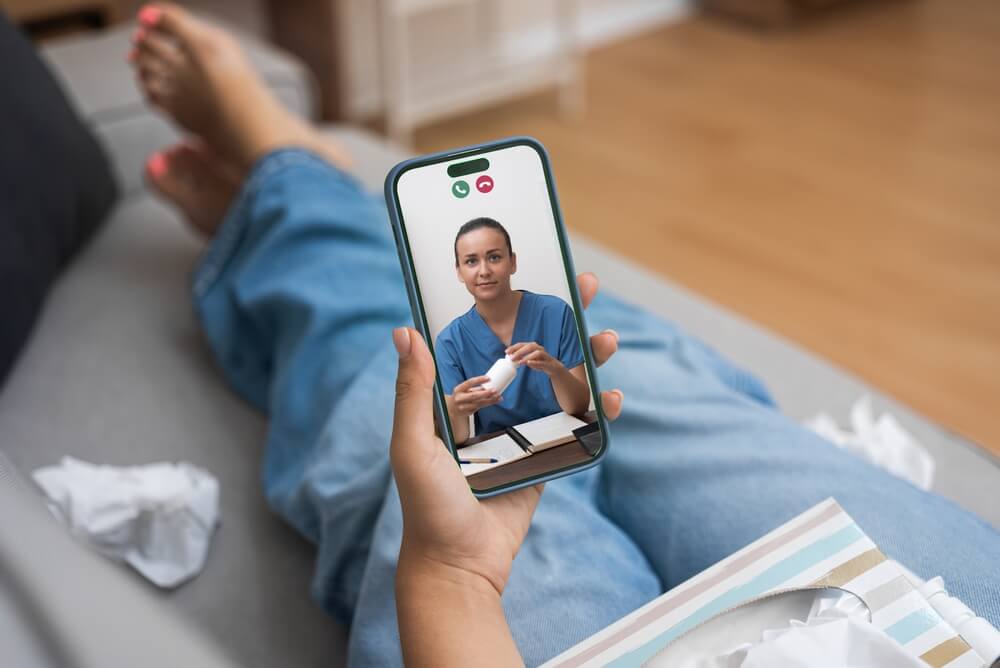
Online administrative support for mental health and wellness coaching practice using digital communication tools.

A virtual wellness assistant is a remote practitioner who aids healthcare or wellness providers with administrative and operational duties, as well as patient-communication duties via the internet. They operate at a distance and are directly incorporated into the workflow, systems, and communication channels of the clinic.

Virtual assistants can be used in the wellness industry (therapy practices, telehealth wellness center clinics, nutrition centers, and holistic health businesses) to facilitate the effective running of wellness facilities without the need to hire more employees to work in the office.


What Do Virtual Wellness Assistants Do?

Wellness assistants carry out a variety of activities that enhance the effectiveness of communication and work in healthcare practices. The wellness assistant duties usually focus on the idea of providing patients with timely help and maintaining an organized workflow for providers.

Indicatively, virtual assistants can make appointments, administer patient records, perform insurance checkups, and answer frequent questions from patients. The roles assist wellness center clinics in operating efficiently and minimizing delays in care services.

They also facilitate the telehealth setting by assisting the patients in booking consultations, ordering prescription refills, or getting a reminder and instructions before the consultation. 

This kind of support enhances interaction and increases the availability of virtual healthcare to patients.


Key Duties and Responsibilities of a Virtual Wellness Assistant

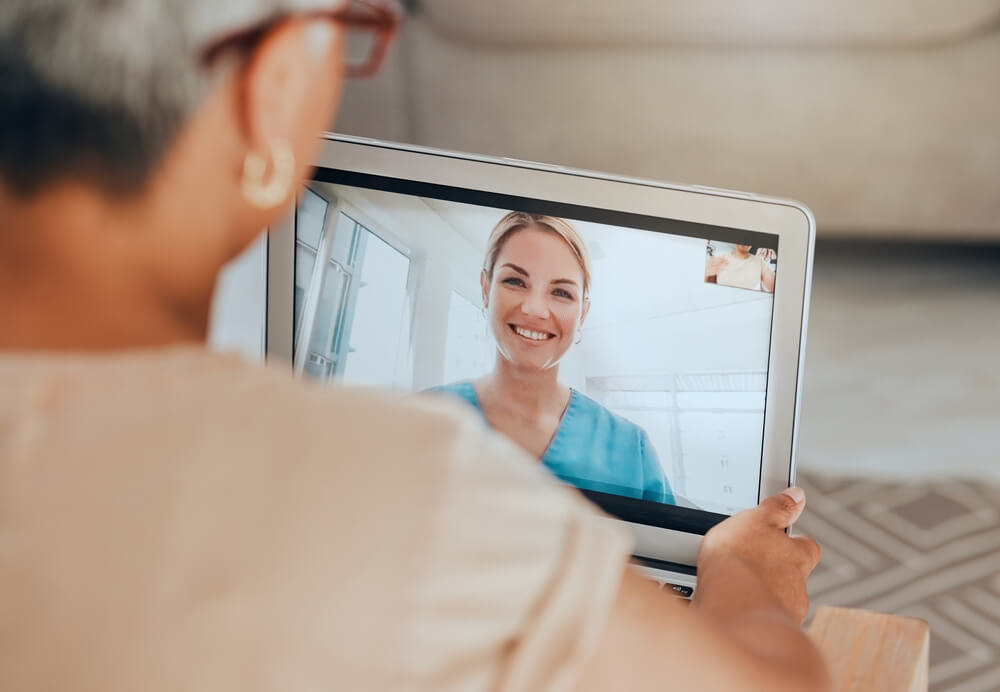
Remote virtual wellness assistant scheduling patient appointments and updating electronic health records from a home office workspace.Although the specific tasks can differ according to the nature of the wellness practice, the vast majority of virtual wellness assistants can operate through some of the basic tasks:

  • Scheduling of the appointment and calendar.
  • Coordination of patient intake and updates of records.
  • Bill verifications and insurance checking.
  • Organizing emails, calls, and inquiries from patients.
  • Making appointments and follow-up messages.
  • Keeping electronic health records (EHR).

These duties play a major role in minimizing the workload for the on-site personnel. 

→ Wellness assistants relieve clinicians of repetitive administrative duties so that they spend more time on patient care and treatment planning.


Essential Skills of a Remote Virtual Assistant Health and Wellness

In order to be possible within healthcare settings, health and wellness virtual assistants require technical, communication, and organizational skills.

→ Good Communication

Primarily, good communication skills are required. Virtual assistants can also communicate directly with patients either by calling, mailing, or messaging. Professional communication is clear-cut and trustworthy to build trust and enhance the overall patient experience.

→ Organizing and Time Management Skills

Secondly, virtual assistants’ health and wellness have to be very organized. Time management and attention to detail are necessary in making arrangements, keeping track of schedules, and managing numerous communication channels. They are essential in several practices to ensure that operations are going well.

→ Digital Literacy

Lastly, there is the issue of digital literacy. Virtual wellness assistants should be collaborators in telehealth services, scheduling, and electronic health record software. As the field of healthcare becomes technologically oriented, these technical skills will make it smooth to fit into modern wellness clinics.

→ Knowledge of Healthcare Compliance & Confidentiality

A virtual wellness assistant must understand basic healthcare regulations. Especially patient privacy laws. It includes HIPAA (Health Insurance Portability and Accountability Act) in the United States.

Handling patient records, appointment details, and medical information requires strict confidentiality. 

A professional remote wellness assistant should know how to securely manage emails, patient portals, and electronic documentation to protect sensitive information.

→ Emotional Intelligence & Patient-Centered Approach

Professional virtual wellness assistant providing remote healthcare support to improve patient outcomes and streamline clinic operations.

Healthcare and wellness services are deeply personal. Virtual wellness assistants often interact with patients who may be anxious, stressed, or dealing with health concerns.

Strong emotional intelligence allows them to:

  • Respond with empathy
  • Stay calm in sensitive situations.
  • Provide reassurance without overstepping professional boundaries…

A compassionate tone significantly enhances patient satisfaction and retention.

→ Basic Medical Terminology Knowledge

A remote wellness assistant doesn’t need to be a clinician, but understanding common medical and wellness terminology is essential.

This includes:

  • Common diagnoses.
  • Treatment types.
  • Wellness procedures.
  • Insurance and billing terms.

Why?

Familiarity with medical language reduces errors in scheduling, documentation, and communication with healthcare providers.

→ Problem-Solving & Critical Thinking

In healthcare, unexpected situations are common… Double bookings. Urgent appointment changes. Technical telehealth issues or billing discrepancies.

A skilled virtual wellness assistant should be able to:

  • Think quickly.
  • Identify practical solutions.
  • Escalate issues appropriately.
  • Prevent minor issues from becoming larger disruptions.

Proactive problem-solving keeps clinic operations running smoothly.

→ Customer Service & Relationship Management

Wellness practices usually work on long-term patient relationships. In that case, a virtual wellness assistant plays a crucial role in maintaining that connection.

They should:

  • Follow up with patients.
  • Send reminders.
  • Handle feedback professionally.
  • Maintain a welcoming and professional tone.

Excellent customer service strengthens the brand image of the clinic or wellness center.

→ Multitasking Ability

Virtual wellness assistants often juggle appointment scheduling. They should know Email management and insurance verification. They should also be able to handle social media inquiries. 

For practices offering telehealth services, a wellness assistant’s duties include telehealth coordination. They should know how to do that!

The ability to multitask without sacrificing accuracy is essential for maintaining workflow efficiency.

→ Technical Troubleshooting Skills

Since most work is remote, minor technical issues are inevitable. A competent assistant should be comfortable troubleshooting:

  • Video conferencing issues (Zoom, telehealth platforms).
  • Calendar syncing problems.
  • Basic CRM or EHR system errors.
  • Email delivery issues.

Basic tech confidence reduces downtime and improves productivity.


Education, Training, and Certification Requirements for Virtual Wellness Assistants

Educational Background

  • A diploma or a degree in healthcare-related fields
HIPAA and Data Privacy Training
Telehealth and Digital Healthcare Training
Technical Skills

  • Electronic Health Record (EHR) systems.
  • Healthcare CRMs
Administrative Experience

  • Scheduling appointments
  • Insurance verification
  • Billing coordination
  • Patient follow-ups
Certifications (not always mandatory)

  • Certified Medical Administrative Assistant (CMAA)
  • Healthcare IT or EHR certifications
  • Telehealth coordinator training
  • HIPAA compliance certification

The health and wellness virtual assistants typically originate within the healthcare administration, clinically supporting, or office-based medical position, but employers are starting to demand special training since healthcare data and workflows are sensitive.

Remote care coordination apps and digital patient management are also more desired by many healthcare organizations due to the fact that modern clinics are highly dependent on these processes. So, the assistants are required to be digitally literate, as said before. 


Where Do Virtual Wellness Assistants Work?

Remote wellness assistant sending appointment reminders and follow-up messages to improve patient engagement and treatment adherence.

Health and wellness virtual assistants operate in numerous health and wellness environments. These are telehealth wellness clinics, mental health practices, wellness coaching businesses, medical spas, fitness and nutrition programs, and integrative health centers.

They can work remotely and, as such, are able to support the practices in other cities or even countries. This scalability enables healthcare vendors to expand their operations without having to rent more office space or employ full-time in-house personnel.

Virtual assistants’ health and wellness have also had more opportunities with the emergence of telehealth and digital healthcare services. The remote healthcare solutions are now constantly on the rise as patients appreciate the value of convenience, access, and quicker services.


Benefits of Hiring a Virtual Wellness Assistant For Your Wellness Center
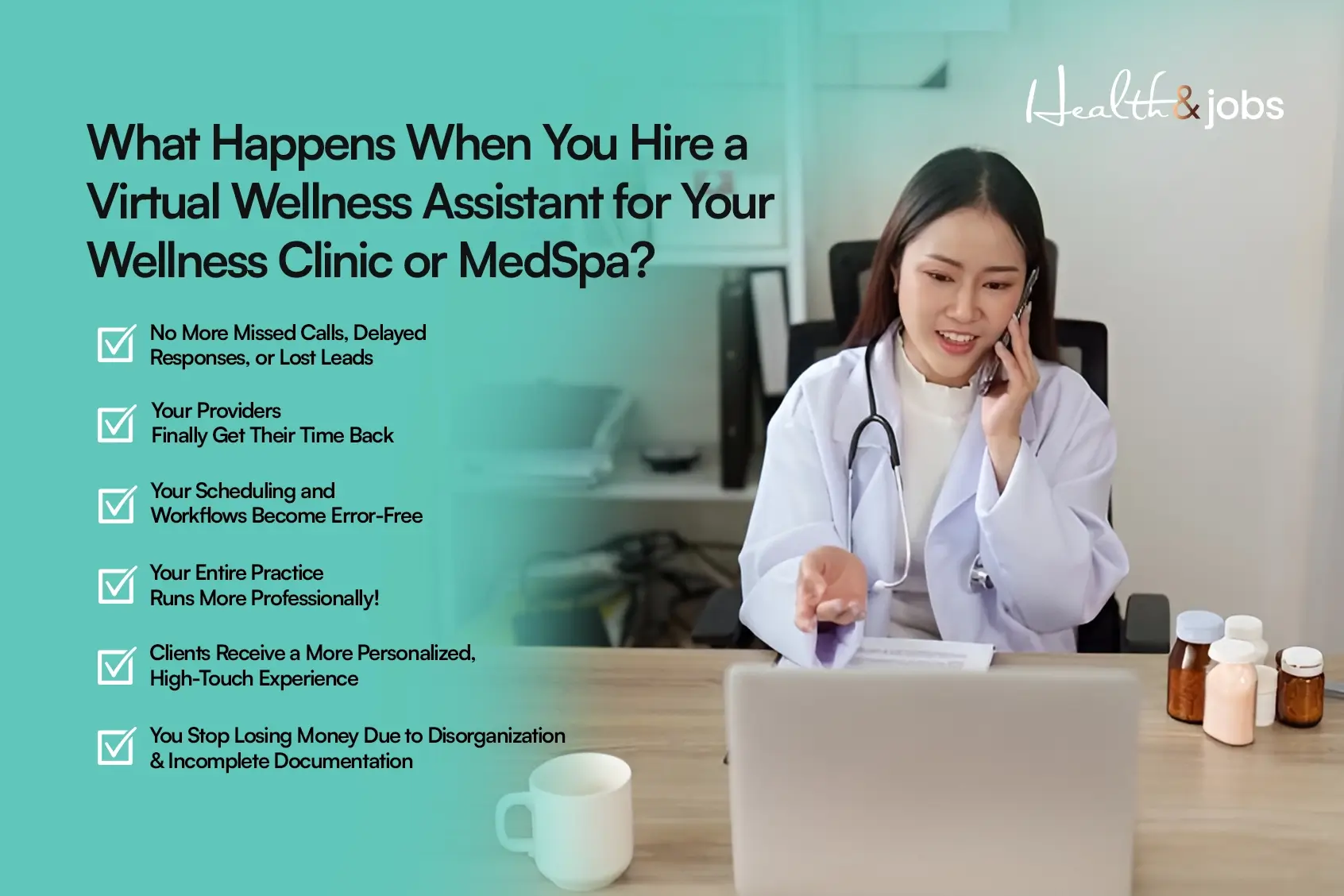
how virtual wellness assistant will help your practice

There are many benefits of hiring a virtual wellness assistant. Here are a few important ones:

1. Less Administrative Burden on Healthcare Providers

One of the largest healthcare practice issues is administrative workload. Virtual assistants can be used to automate scheduling, billing, documentation and insurance verification, enabling clinicians to concentrate on patient care and not paperwork.

2. Increased Patient Involvement and Treatment Adherence

Virtual assistants remind, provide follow-ups, and provide health instructions that keep patients active regarding their treatment plans. This assists in eliminating missed appointments and enhances continuity of care.

3. Less Waiting Period and Improved Workflow

Wellness clinics can run more efficiently when the scheduling and the intake processes are automated or operated remotely. Patients have shorter waiting durations and ease in the appointment. This enhances the patient experience and the performance of operations.

4. Cost-Efficient

Cost savings are another significant advantage. These assistants have the capacity to lower the number of staff yet provide the required administrative assistance. In other scenarios, practices have been able to save a lot of money in the administration staffing through the incorporation of remote assistants into their operations.

5. Better Patient Outcomes

Above all, patient outcomes are improved when the providers can concentrate on patient care rather than documentation. The more frequent contact with patients and reminding of appointments on time as well as effective follow-ups, contribute to increased patient engagement and satisfaction with your wellness clinic.


Strengthen Your Wellness Center with Qualified Virtual Wellness Assistants from Health & Jobs!

If your administration is slacking off, you can make a big difference by hiring a competent health and wellness virtual assistant. These professionals assist in streamlining operations, enhancing patient communication, and assist in enhancing care delivery.

Health & Jobs, as the best remote staffing company in the United States, matches virtual wellness assistants with wellness centers to bridge the gap between patient support requirements and healthcare processes. 

With expert telehealth specialists joining your team, your wellness clinic will be able to run a more efficient operation and provide a superior experience to all clients.


Contact us now to get your personalized quote!


FAQs

What is a virtual wellness assistant?

A virtual wellness assistant is an online health or wellness professional who helps healthcare or wellness professionals with administrative work, communication with patients, day-to-day scheduling, and electronic records.

Do VWAs meet the requirements of HIPAA?

No, not all virtual wellness assistants are programmed to make healthcare data privacy and security compliant. 

Can a virtual wellness assistant be used to improve patient outcomes?

Virtual wellness assistants enhance the results, as patients get the timely notifications, responses to the questions fast, and follow-ups in order.

Who hires a virtual wellness assistant?

Virtual wellness assistants can be hired by telehealth providers, wellness clinics, therapy practices, medical offices, and healthcare startups alike.

 

25Feb

Dental Assistant vs Medical Assistant: What’s the Difference?

Healthcare careers continue to attract people who want stability, purpose, and faster entry into the workforce. Among the most popular options are dental assistants and medical assistants. Two roles that play a vital part in patient care…

The sustained demand can be gauged by the increasing employment rates for the two; according to the U.S. Bureau of Labor Statistics, employment of medical assistants is projected to grow 12% between 2024 and 2034, while demand for dental assistants is estimated to grow 6% during the same period. 

At the same time, more and more healthcare facilities are turning to virtual staffing solutions to streamline administrative tasks and improve operational efficiency. However, though part of the extensive support staff in healthcare, there is a clear distinction between the two roles depending on their site of work, responsibilities, and education requirements. 

If you’re trying to decide between a dental assistant vs. a medical assistant, understanding these key differences can help you choose the path that aligns with your goals


What is a Dental Assistant? 

A dental assistant supports dentists during procedures, managing clinical and administrative tasks in a dental setting. An on-site dental assistant is usually tasked with assisting chairside during dental procedures, among other duties. 

However, a virtual dental assistant is only delegated administrative tasks such as scheduling appointments and managing billing, but in way lesser cost than in-house staff.

Primary Responsibilities of a Dental Assistant

A virtual dental assistant is not required to actively assist dentists during procedures the way on-site dental assistants do. 

Instead, they are equipped to deal with the following tasks: 

  • Manage the dentist’s calendar to avoid scheduling conflicts. 
  • Schedule patient appointments. 
  • Verify the patient’s dental insurance. 
  • Manage patient records. 
  • Handle billing and coding. 
  • Process claims.

What is a Medical Assistant? 

A medical assistant is usually stationed in clinics, hospitals, and specialty practices, equipped to support physicians with clinical and administrative duties. However, similar to other virtual medical staff roles, they are mostly hired to handle administrative tasks via telecommunication means and other electronic medical systems. 

Primary Responsibilities of a Medical Assistant

  • Schedule appointments for patients. 
  • Communicate with patients via phone calls.
  • Manage patients’ electronic health records (EHR). 
  • Verify patient eligibility for insurance.
  • Process patient billing and claims.

Dental Assistant vs Medical Assistant: Key Differences 

Both dental and medical assistants are pillars of keeping healthcare facilities running smoothly. However, the core difference lies in their area of specialization and scope of support. 

The focus of dental assistants is specifically on supporting dentists and oral healthcare procedures, while medical assistants work closely with physicians in broader medical settings. 

Here are the major differences to consider before hiring for either role. 

→ Work Environment

Dental assistants are hired exclusively in dental settings and are under the supervision of dentists. 

Medical assistants work in general healthcare or specialty practices. 

→ Scope of Knowledge

Dental assistants are required to have technical knowledge of dental instruments and oral anatomy, regardless of on-site or virtual hiring. 

Meanwhile, knowledge of medical assistants may vary according to different medical specialties. 

→ Documentation

Virtual dental assistants document treatment procedures, chart dental findings, and update patient dental records. 

Medical assistants update medical histories, record vitals, and maintain patient charts. 

→ Technical Tools and Equipment

Dental assistants work with specialized instruments. Including suction devices, impression materials, dental radiography equipment, and sterilization systems. All these unique to oral healthcare.

Medical assistants use broader clinical tools. It includes EKG machines, blood pressure monitors, glucometers, and electronic health record (EHR) systems.

→ Career Advancement Pathways

Dental assistants may advance into expanded function dental assistant (EFDA) roles, dental office management, or pursue dental hygiene programs.

Medical assistants can transition into roles such as clinical supervisor, healthcare administrator, nursing programs, or specialized medical certifications.

→ Regulatory Oversight

Dental assisting regulations are often governed by state dental boards with clearly defined scope-of-practice rules.

Medical assistant regulations vary more widely by state and specialty practice, particularly regarding the clinical procedures they are permitted to perform.

→ Specialization Opportunities

Dental assistants may advance into expanded functions roles, orthodontic assisting, oral surgery assisting, or office management within dental practices.

Medical assistants can transition into specialties such as cardiology, dermatology, pediatrics, or pursue further education in nursing, healthcare administration, or allied health professions.

→ Education and Certification Requirements 

Education requirements for both require a high school diploma or equivalent. 

Most dental assistants then complete accredited programs at community colleges or vocational schools for an additional diploma. 

Other certifications, such as the Dental Assisting National Board, are preferred by some employers.  Depending on their scope of work. For a virtual dental assistant, experience in dental software and dental coding knowledge becomes more important. 

Medical assistants typically complete a certificate, diploma, or associate degree program in medical assisting. As online virtual medical assistants, they must have EHR proficiency, insurance verification knowledge, understanding of medical coding, and HIPAA compliance training. 


Hiring Demand and Workforce Trends 

Assisting roles in healthcare remain of great importance due to growing patient volumes and increased clinical burden. Medical assistants and dental assistants have their own scope of work; thus, there’s rarely any competition between the two in the job market. 

Hiring demand for medical assistants is higher due to their expertise across multiple medical specialties. 

Meanwhile, dental assistants continue to be in demand as part of the oral healthcare landscape. 

However, a major workforce trend impacting both roles is the shift toward remote administrative healthcare support. 

Healthcare practices are increasingly:

  • Outsourcing billing and insurance tasks.
  • Hiring virtual healthcare professionals.
  • Reducing in-office staffing overhead.
  • Expanding telehealth services.

This has created a growing demand for virtual medical assistants and virtual dental professionals.


Salary Comparison: Dental Assistant vs Medical Assistant 

Despite both being support roles in healthcare, the salaries for dental assistants and medical assistants are different. Experience, geographic location, certifications, scope of work are some of the factors that also have an influence on their remuneration. 

In 2024, the average salary for a dental assistant in the USA was approximately $42,000 to $47,300 annually, or about $20 to $23 per hour, as reported in the U.S. Bureau of Labor Statistics. 

Medical assistants in the USA earn a median annual salary of approximately $42,000 to $44,720, or about $20 to $21 per hour as of 2024.

For employers, virtual staffing often provides: 

  • Lower operational costs.
  • No need for physical workspace.
  • Reduced benefits overhead.
  • Flexible staffing scalability.

Therefore, virtual dental and medical assistants prove to be a cost-effective solution for growing practices. 

Work Environment 

Dental assistants are typically hired to work in private dental clinics, several orthodontic practices, oral surgery centers, and specialty dental offices. In virtual roles, however, this role transitions into remote billing coordinators, insurance verification specialists, treatment plan administrators, and patient scheduling coordinators.

The work environment of a traditional medical assistant includes hospitals, primary care clinics, specialty medical practices, and urgent care centers. For administrative coordination as virtual medical assistants, they usually work from the comfort of their homes, handling appointment scheduling, EHR documentation updating, insurance eligibility checks, and patient follow-ups. 

Which Role is Right for your Healthcare Facility? 

The right choice depends on your facility type and operational needs.

→ Choose a Dental Assistant If

  • You operate a dental or orthodontic practice.
  • You need chairside procedural support.
  • Your clinical workflow requires hands-on dental assistance.
  • You need specialized dental billing support.

→ Choose a Medical Assistant If

  • You run a general or specialty medical clinic.
  • Patient coordination and scheduling are overwhelming your front desk.
  • Insurance verification delays are affecting revenue.
  • Your physicians need broader administrative support.

You might be in benefit from hiring a virtual healthcare professional if:

→ Your practices’ overhead costs are rising.

→ In-office staff are overloaded.

→ Billing follow-ups are inconsistent.

→ You want scalable administrative support.

→ You want to reduce burnout among clinical staff.


Hire Skilled Virtual Healthcare Professionals with Health & Jobs!

Finding reliable, trained healthcare professionals can be time-consuming and expensive — especially in a competitive labor market.

Health & Jobs connects healthcare facilities with:

Our professionals are trained in:

  • EHR systems.
  • HIPAA compliance.
  • Insurance workflows.
  • Revenue cycle support.
  • Patient coordination.

Whether you need support for a growing dental clinic or a multi-specialty medical practice, we help you scale efficiently without increasing in-office overhead.

Looking for a specialized dental assistant or a versatile medical personal assistant, the right hire is sure to transform your workflow, revenue cycle, and patient experience. 

Partner with Health & Jobs today to build a stronger, more efficient healthcare team. 

20Feb

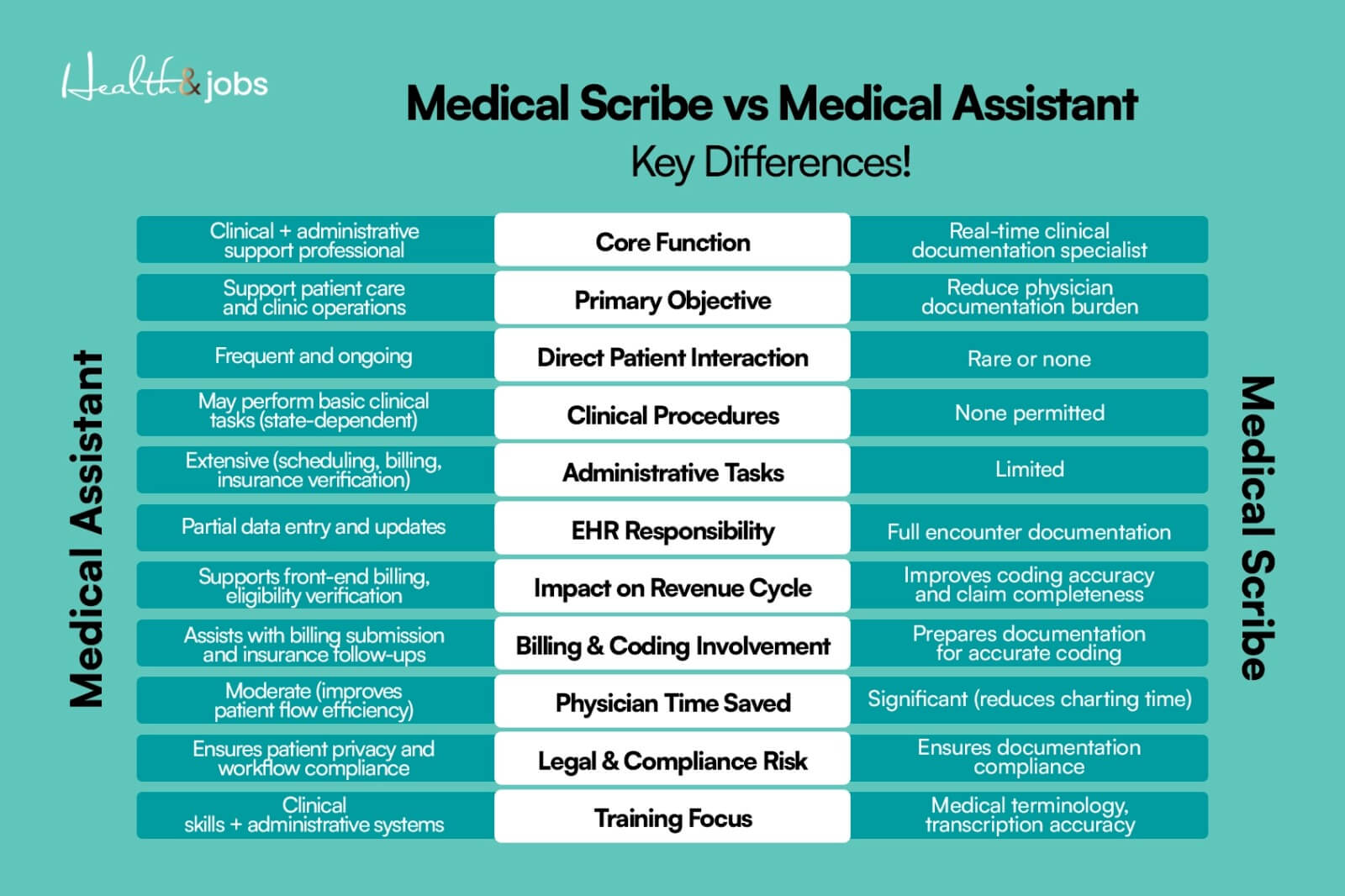
Medical Scribe vs Medical Assistant: Key Differences!

Running an efficient healthcare practice requires more than skilled physicians. Behind every smooth patient visit is a well-coordinated support team. That support team keeps the medical billing and documentation accurate. They manage workflows organized, and ensure patient care is uninterrupted. Two roles that often cause confusion are medical scribes and medical assistants.

Although both professionals support physicians.. But their responsibilities differ significantly. Understanding the distinction between a medical scribe and a medical assistant helps healthcare employers make informed hiring decisions and allows job seekers to choose a career path aligned with their skills and goals.


What is a Medical Scribe?

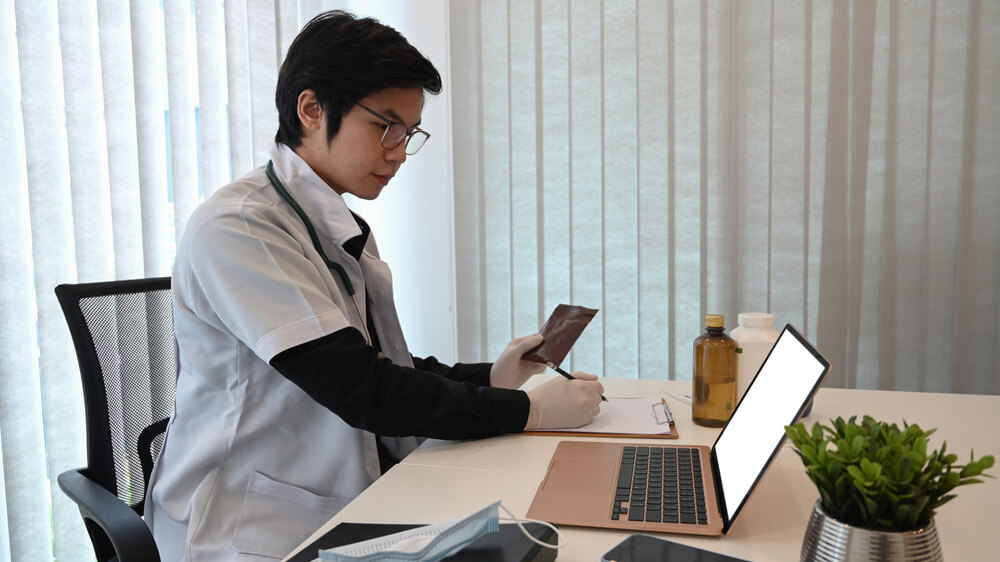
Medical scribe typing patient information into electronic health record system during physician consultation

As the name suggests, a medical scribe is a healthcare professional who writes. In other words, they are in charge of documenting each step of the patient visit to a physician. 

They may also be referred to as healthcare documentation specialist due to the nature of their roles. 

Typically stationed next to the healthcare provider, they record the exchange between the patient and the doctor in real-time. It helps in maintaining the accuracy of patients’ medical charts by transcribing exactly what they said during the visit. 

Primary Responsibilities of a Medical Scribe

  • Document patient visits in the Electronic Health Record (EHR).
  • Record medical history, symptoms, diagnoses, and treatment plans.
  • Assist physicians with chart completion.
  • Prepare documentation for billing and coding.
  • Ensure accurate and complete patient records.

Work Environment

Medical scribes’ most common sites of work is offices of physicians, state hospitals – either local or private, and outpatient care centers, among others. 

However, virtual medical scribes can be very useful as they eliminate your in-house staff cost, as they may also work from home by listening to live patient-physician encounters via secure video or audio and documenting notes directly into Electronic Health Records (EHRs) in real-time. 


What is a Medical Assistant? 

A medical assistant is a healthcare professional who supports physicians in handling both clinical and administrative tasks at a medical facility. 

Unlike medical scribes, they are in direct contact with patients, aiding with coordinating appointments, managing their records, and handling billing. 

The work scope of a virtual medical assistant mostly leans toward administrative operations via telecommunication means and other electronic medical systems. 

Primary Responsibilities of a Medical Assistant

  • Schedule appointments for patients. 
  • Communicate with patients via phone calls.
  • Manage patients’ electronic health records (EHR). 
  • Verify patient eligibility for insurance.
  • Process patient billing and claims.

Work Environment

The work environment of a medical assistant is similar to that of a medical scribe, working in physicians’ offices, hospitals, and outpatient care centers. 

However, those virtual or remote medical assistants working remotely can help your practice. As they are easily scalable and less costly than in-house staffing.


Medical Scribe vs Medical Assistant: Key Differences

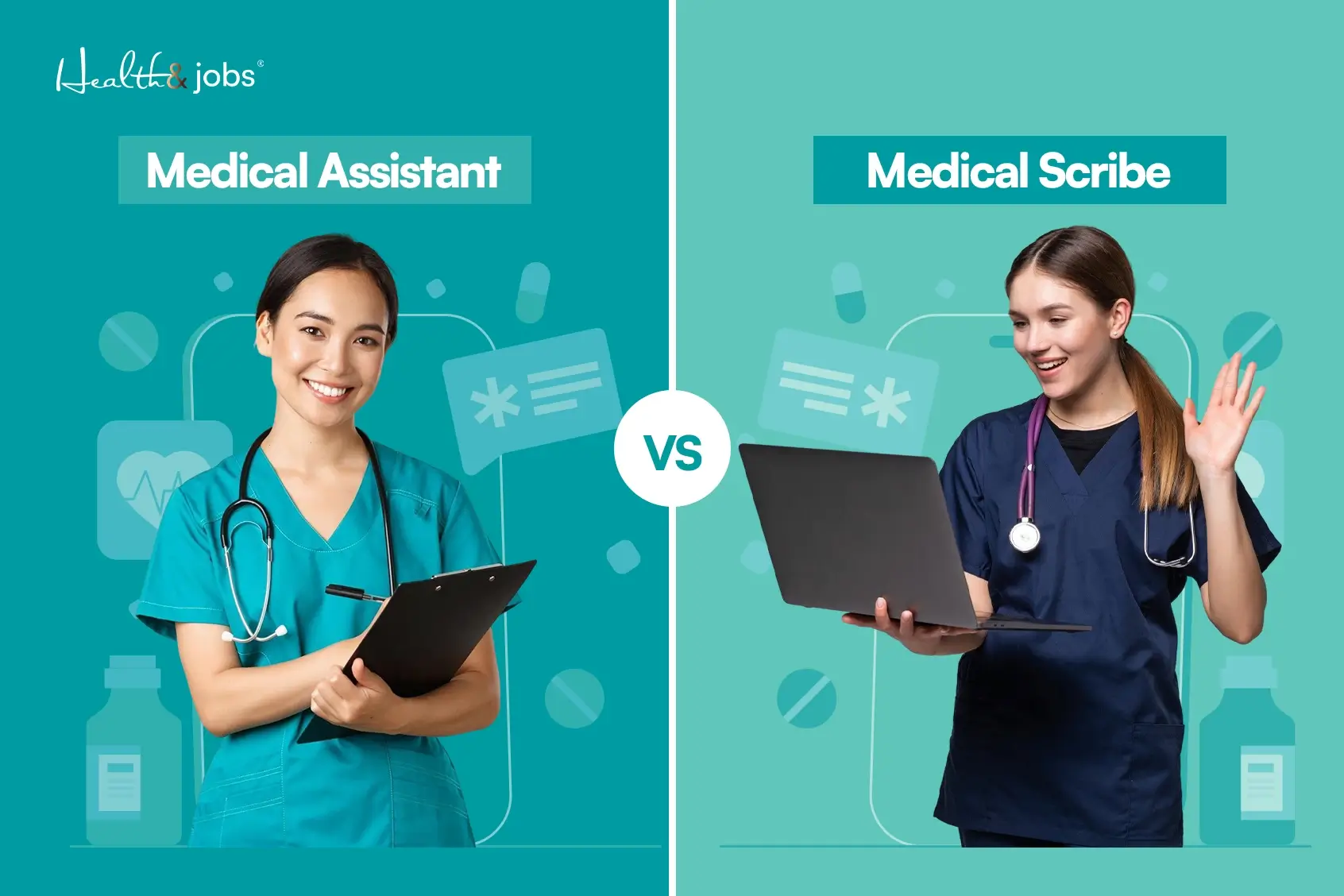
key differences image comparison image showing medical assistant vs medical scribe

Both medical scribes and medical assistants play a significant role in running a successful healthcare practice. The core difference lies in the nature of their jobs…

Medical scribes offer documentation support to the physicians, while medical assistant is equipped to provide both clinical and administrative support. 

Here are some other differences you should look out for before hiring either of them or choosing a career path: 

→ Patient Interaction

Medical scribes are not in direct coordination with patients. Instead, they are trained to document patient-physician encounters from the sidelines. 

In contrast, whether they are working remotely or on-site, medical assistants are mostly in constant coordination with patients. 

→ Clinical Duties

Medical scribes do not have any clinical duties; their scope of work is mostly technical, such as transcribing voice recordings, handling EHRs, and maintaining patients’ medical charts. 

Medical assistants, on the other hand, may perform clinical tasks depending on their scope of training and site of work. 

→ Documentation Depth and Accuracy

Medical scribes are trained to capture:

  • History of Present Illness (HPI)
  • Review of Systems (ROS)
  • Physical Exam findings
  • Assessment & Plan
  • Procedure notes
  • ICD-10 and CPT-supportive documentation

Their documentation directly impacts:

  • Coding accuracy
  • Claim approval rates
  • Legal protection
  • Audit compliance

Medical assistants may enter demographic data, update patient history, or log vitals — but they do not generate full encounter narratives.

→ Purpose

A medical scribe is dedicated to reducing the documentation burden for the physician, so they can aptly focus on clinical tasks. 

While a medical assistant helps physicians in both patient care and clinic operations. 

→  Operational Workflow Impact

→ A medical scribe:

  • Increases patient volume capacity.
  • Reduces after-hours charting.
  • Improves documentation turnaround time.
  • Supports accurate billing.

→ A medical assistant:

  • Reduces patient wait times.
  • Improves scheduling efficiency.
  • Manages front-desk flow.
  • Supports insurance verification.

In short:

Scribes improve physician efficiency.

→ Medical assistants improve clinic efficiency.

→ Revenue Cycle & Financial Impact

Medical Scribes:

  • Improve documentation specificity.
  • Reduce claim denials due to incomplete notes.
  • Support higher reimbursement accuracy.
  • Strengthen audit protection.

Medical Assistants:

  • Verify insurance eligibility.
  • Collect copayments.
  • Coordinate referrals.
  • Assist in claim submission.

Both indirectly support revenue, but scribes impact backend accuracy while assistants support frontend processes.

→ Cost & Staffing Strategy for Employers

From a practice management perspective:

When to Hire a Medical Scribe?

  • Physicians are overwhelmed with charting.
  • Documentation delays impact billing.
  • Burnout is increasing.
  • After-hours charting is common.

When to Hire a Medical Assistant?

  • Patient volume is increasing.
  • Front-desk workload is heavy.
  • Scheduling errors occur frequently.
  • Clinic flow is inefficient.

Some practices benefit from hiring both for maximum operational efficiency.

Comprehensive Comparison Table | Medical Scribe vs Medical Assistant

Category Medical Scribe Medical Assistant
Core Function Real-time clinical documentation specialist Clinical + administrative support professional
Primary Objective Reduce physician documentation burden Support patient care and clinic operations
Direct Patient Interaction Rare or none Frequent and ongoing
Clinical Procedures None permitted May perform basic clinical tasks (state-dependent)
Administrative Tasks Limited Extensive (scheduling, billing, insurance verification)
EHR Responsibility Full encounter documentation Partial data entry and updates
Impact on Revenue Cycle Improves coding accuracy and claim completeness Supports front-end billing, eligibility verification
Billing & Coding Involvement Prepares documentation for accurate coding Assists with billing submission and insurance follow-ups
Physician Time Saved Significant (reduces charting time) Moderate (improves patient flow efficiency)
Legal & Compliance Risk Ensures documentation compliance Ensures patient privacy and workflow compliance
Training Focus Medical terminology, transcription accuracy Clinical skills + administrative systems
Career Trajectory Pre-med, PA, nursing stepping stone Long-term allied health career option
Remote Work Feasibility Highly adaptable to virtual model Mostly administrative tasks adaptable remotely
Burnout Reduction Impact Directly reduces physician burnout Improves operational stress management

Strategic Hiring Insight for Healthcare Practices!

If your goal is:

  • Reduce physician burnout → Hire a Medical Scribe
  • Improve patient experience → Hire a Medical Assistant
  • Optimize revenue and workflow → Consider both!!!

The right decision ultimately depends on your practice’s operational pain points.


Education and Certification Requirements 

Get training to become Healthcare professionals working remotely to provide medical documentation and administrative support

A high school diploma or equivalent is a prerequisite for both medical assistant and medical scribe. Further education requirements for medical scribes usually vary depending on employer demand. 

However, a foundational knowledge of medical terminology, anatomy, and physiology is typically required to accurately document patient encounters. They should also be trained in performing technical tasks, such as handling EHR systems. Certification is optional.

In addition to a high school diploma and basic medical knowledge, certifications or degrees in medical office administration and health information services are usually helpful in landing a job as a medical assistant. 

HIPAA training is mandatory to ensure patient privacy compliance.

→ Health & Jobs provides pre-vetted, trained, HIPAA-Certified working professionals ready to help your practice from DAY ONE!


Essential Skills for Medical Scribes 

There are a number of skills required to make a name as a medical scribe in a competitive world of healthcare.

These include, but are not limited to: 

1. Medical Terminology Knowledge

A medical scribe must be able to comprehend the anatomy, physiology, and medical jargon while listening to a patient-physician encounter for fast, accurate note-taking. 

2. Technical Proficiency

One of the non-negotiables for a medical scribe; Should have a comfort-level understanding of EHR systems and telecommunication tools. 

3. Communication Skills

A medical scribe must consistently communicate and clarify information to providers, thus requiring clear, professional, and concise communication skills. 

4. Attention to Detail

As an active listener, a medical scribe has the ability to listen, process, and document critical information from a patient-physician encounter in real-time or from audio. 

5. Respect for Privacy and Confidentiality

Regardless of the role, a healthcare professional is HIPAA compliant, strictly adhering to data privacy regulations. 


Essential Skills for Medical Assistants 

Healthcare administrator scheduling appointment and verifying insurance information on computer

The skills of a medical assistant may vary according to their working location. A virtual medical assistant is typically bound to administrative tasks and require following skills: 

1. Medical Knowledge

Whether on-site or remote, a medical assistant must be accustomed to medical terminology and basic medical procedures. 

2. EMR/EHR System Proficiency

As a remote medical assistant, they must be able to navigate, update, and manage Electronic Medical/Health Records (EMR/EHR) for smooth patient record maintenance. 

3. Communication Skills

Medical assistants are in direct coordination with both patients and providers; therefore, they must be clear and empathetic in how they communicate. 

4. Regulatory Knowledge

As a HIPAA-compliant healthcare professional, medical assistants must understand and adhere to the privacy standards of the state. 

5. Organizational Skills

Medical assistants must possess strong skills in appointment scheduling, calendar management, email management, and task prioritization to avoid last-minute hassles. 


Which Role is Right for You?

Choosing the right career path may feel overwhelming in the wake of two similar yet distinct medical roles. However, one can decide the best course of action by having a clear outlook on their goals.

For example, if a job seeker is interested in documentation and prefers to stay on the sidelines rather than participate in hands-on clinic operations, a medical scribe is gold for them. 

Meanwhile, a medical assistant is in constant communication with providers and patients, and is more on the front-end of healthcare operations. 

→ Thus, if you prefer a clinical environment to showcase your administrative skills, then a medical assistant is the right choice.


Why Healthcare Practices Hire Virtual Medical Scribes?

There has been a rising trend in hiring virtual medical roles, including medical scribes, due to a number of reasons. 

In addition to cost savings on staffing, space, and equipment, working remotely has been known to increase productivity due to a lack of burnout. 

A medical scribe can efficiently document encounters between patient and provider from the comfort of their home. 

A physician’s workload is also significantly reduced due to the delegation of time-consuming documentation to the virtual medical scribe.


Why Healthcare Practices Hire Virtual Medical Assistants?

Medical assistants play a crucial role in supporting the clinical and administrative workflow of a healthcare facility. 

Remote assistants help these practices grow and handle more work, minimizing the need for hiring more in-office staff. 

Virtual medical assistants are typically tasked with scheduling appointments, verifying billing and insurance, and updating records – all of which they can do without requiring a formal workspace. 

By handling all of the administrative tasks, they promote productivity with effective time management.


Hire Skilled Medical Scribes and Medical Assistants with Health & Jobs!

Healthcare practices today are inundated with administrative pressure and documentation requirements atop clinical duties. A limited budget makes hiring and training in-house staff time-consuming and expensive. 

Health & Jobs helps overcome this challenge by providing highly trained remote staff, including virtual medical scribes and medical assistants. 

Healthcare staff at our organization is effectively trained in handling both administrative and clinical workflows, along with a strong command of HIPAA regulations. 

As the best virtual staffing agency in Florida and the United States, Health & Jobs offers personalized solutions based on the unique needs of each practice.

Whether you need documentation support, administrative assistance, or both, our trained virtual staff can help to improve productivity, reduce burnout, and support your practice growth.


Contact Health & Jobs today to connect with skilled professionals who integrate seamlessly into your existing workflow. 

15Feb

Family Nurse Practitioner Explained | Everything You Should Know

The American healthcare system is undergoing a paradigm shift as the patient population is becoming more and more demanding, and the primary care doctor shortage is rising. FNPs have become significant frontline health practitioners in this dynamic world of healthcare. Currently, over 431,000 nurse practitioners are licensed in the United States, and the majority of them are family practice trained. The profession is one of the fastest-growing in the medical sector. 

FNPs can also diagnose and treat illness, prescribe medication, and manage the care of all patients of all ages. This is the reason why they are critical to the growth of access to both preventive and chronic care. 

Due to the high demand for the family nurse practitioner workforce, the field is set to remain high in the next decade. It will assist in locating solutions to the existing impending shortage of primary care and also enhance the health outcomes of the communities, urban or rural, with or without underserved populations. 


What is a Family Nurse Practitioner (FNP)?

Certified family nurse practitioner examining a patient during a routine checkup

An advanced practice registered nurse (APRN) is a Family Nurse Practitioner. The FNP certificate qualifies one to diagnose, treat, and manage acute and chronic health issues in all patients. 

A certified family nurse practitioner is a combination of clinical expertise and patient centered approach. Concentrating on prevention, health, and wellness.

FNPs have advanced clinical training in the family medicine nurse practitioner practice and a master’s or doctorate degree, unlike registered nurses.


The Role of a Family Nurse Practitioner

The question that many people are asking is what is the role of a family nurse practitioner? FNPs provide both. Primary and preventive care services. In many cases, they become the primary healthcare giver to the patient.

Key Responsibilities include:

  • Building patient-centred care strategies.
  • Organizing the work with specialists.
  • Observing the treatment results.
  • Encouraging preventive medical policies.
  • Helping underserved and rural communities.

How to Become a Family Nurse Practitioner?

Certified family nurse practitioner at workIf you’re wondering how to become a family nurse practitioner, the process involves advanced education and certification.

Steps to Becoming an FNP

  1. Earn a Bachelor of Science in Nursing (BSN).
  2. Obtain RN licensure.
  3. Complete a Master’s or Doctoral program in family practice nurse practitioner (FNP medical program).
  4. Pass national FNP certification exams.
  5. Obtain state licensure as an APRN.

Some professionals choose a family nurse practitioner online program to balance education with clinical practice.


Roles and Responsibilities of a Family Nurse Practitioner

The role of an FNP extends beyond direct patient care. They are integral members of interdisciplinary healthcare teams and often take leadership roles.

Family Nurse Practitioner Duties

Family nurse practitioner’s responsibilities include:

→ Complete physical tests and health check-ups. Conduct comprehensive assessments, check medical history, examine symptoms, and determine health risks in all age groups.

→ Determine and treat both acute and chronic diseases. Treat acute illnesses like infections and injuries, and help manage chronic illnesses like diabetes, high blood pressure, asthma, and heart disease.

→ Order and interpolate diagnostic tests. Order lab tests, imaging examinations, and screening, and interpret findings to aid in proper diagnosis and effective treatment decisions.

→ Order drugs and treatment regimens. Create a personalized care plan and prescribe drugs in compliance with the state practice requirements.

→ Give preventive treatment and health education. Provide immunizations, routine screenings, lifestyle modification, disease prevention, and wellness education to patients.

→ Treat chronic health conditions. Follow-up chronic diseases, change treatment approaches, and train patients to limit complications and enhance the quality of life.

→ Provide continuity of lifelong care. Deliver patient-centered care and long-term provider-patient relationships through consistent attention to patients.


Essential Skills of a Successful Family Nurse Practitioner

Family nurse practitioner showing empathy while discussing treatment optionsAn effective Family Nurse Practitioner (FNP) should be skilled in both their clinical and interpersonal abilities as well as their professional competencies. Even though education and certification constitute the medical background, some abilities make outstanding FNPs unique and allow them to provide high-quality patient-centered care.

1. Clinical Expertise and Critical Thinking

FNPs should have a high level of clinical knowledge to assess the symptoms, interpret diagnostic tests, and draw the correct conclusions. Critical thinking enables them to distinguish between similar conditions, giving priority to care, and acting appropriately in complicated or emergency cases.

2. Superior Communication Skills

Effective communication is the key to achieving trust with the families and patients. 

FNPs interpret diagnoses, treatment, and preventive measures in a manner that is comprehensible to patients. They also liaise with doctors, specialists, and other medical practitioners to guarantee smooth care.

3. Patient-Centered Care and Empathy

The empathy will help FNPs to comprehend the emotional, social, and cultural requirements of patients. They demonstrate compassion and respect. It enhances good relationships with the patient, helps in adherence to treatment plans, and enhances patient satisfaction.

4. Time and Organization Management

The necessity to handle various patients, appointments, and administration involves effective time management. Effective FNPs plan their practices, give priorities to tasks, and make sure that no patient care aspects are left unattended.

5. Flexibility and Innovation

The healthcare setting is dynamic, and patient needs and unpredictable challenges change very fast. FNPs have to react quickly, be creative, and come up with feasible solutions to deliver effective and safe care.

6. Leadership and Teamwork

FNPs tend to be the leaders of multidisciplinary teams, directing the treatment plans and liaising with other medical workers. A good performance of the team and strong leadership skills enable them to act as a patient advocate and maximize the overall performance of the practice.

7. Lifelong Learning

Medical knowledge and technology keep changing. Effective FNPs embrace lifelong learning, keeping themselves abreast with the current evidence-based practice, treatment regimens, and healthcare trends.


FNP vs Registered Nurse (RN) vs Doctor: Key Differences

Understanding how FNPs differ from other providers helps clarify their value in healthcare settings.

Role Education Scope of Practice
Registered Nurse (RN) BSN or ADN Patient care and support
Family Nurse Practitioner (FNP) MSN or DNP Diagnosis, treatment, and prescribing
Physician (MD/DO) Medical degree + residency Full medical scope

While FNPs are not doctors, they often perform similar primary care functions, especially in family practice settings.


Where Do Family Nurse Practitioners Work?

FNPs practice in a wide range of healthcare environments.

Common Work Settings include:

  • Family medicine and primary care clinics
  • Hospitals and outpatient centers
  • Urgent care facilities
  • Community health centers
  • Telehealth and virtual care platforms

Why the Demand for Family Nurse Practitioners Is Growing?

Family nurse practitioner conducting a physical exam and health assessmentIn the United States and the world in general, the demand for Family Nurse Practitioners (FNPs) is increasing at a high pace. 

There are multiple reasons behind this increase, and FNPs are one of the rapidly expanding fields in the medical industry.

→ Physician Shortages in Primary Care

There is a shortage of primary care physicians in many regions. Particularly in rural and underserved regions. Family nurse practitioner online or onsite can bridge this gap by offering high-quality primary care, preventive services, and chronic disease management to patients so that they can access timely medical services.

→ Care of Aging Population

Millions of elderly people in the United States are in need of permanent care due to chronic illnesses like diabetes, hypertension, and heart disease. FNPs are best placed to take care of the long-term health, preventive screenings, and populations of all ages.

→ Increasing Access to Healthcare

The healthcare reform and the insurance coverage have opened up medical care to millions of individuals. As the number of patients requesting services increases, FNPs can contribute to the increased demand for primary care and decreased physician and hospital overload.

→ Cost-Effective Care

FNPs are affordable to employ in healthcare organizations. They provide similar services as primary care physicians in most cases at lower costs of operation, hence are a good asset to the hospital, clinic, and individual practice.

→ Emerging Preventive and Chronic Care Emphasis

Preventive care and management of chronic diseases are increasingly becoming a priority. FNPs are also trained to give preventive screenings, educate patients, and manage chronic diseases to reduce hospitalization and enhance the overall health of the population.

→ Remote Care and Telehealth Development

Telehealth growth has offered more possibilities for remote care by FNPs online. This has increased access to rural or underserved patients, which has further increased the demand for skilled nurse practitioners.


Benefits of Hiring a Family Nurse Practitioner for Your Practice

Hiring a family nurse practitioner online or online strengthens healthcare practices by improving patient access and operational efficiency.

Benefits Include:

  • Reduced patient wait times.
  • Lower staffing costs compared to physicians.
  • Improved patient satisfaction.
  • Expanded service capacity.
  • Support for preventive and chronic care management.

Hire the Best Family Nurse Practitioner for Your Practice with Health & Jobs!

Hire The Best Physician Assistant For Your Practice With Health & Jobs

At Health & Jobs, we specialize in connecting healthcare organizations with highly trained, certified virtual Family Nurse Practitioners (FNPs) who provide remote support to strengthen your practice. 

Our FNPs are experienced in family medicine, primary care, preventive care, and chronic disease management, ensuring your patients receive top-quality care from anywhere.

By hiring our virtual family nurse practitioner staff, your practice can:

→ Expand patient access without geographic limitations.

→ Reduce operational costs while maintaining high-quality care.

→ Benefit from certified FNPs trained in evidence-based care and telehealth best practices.

→ Scale your healthcare team quickly and efficiently to meet growing demand.

Our FNPs are carefully vetted, credentialed, and trained to provide comprehensive virtual services that mirror the excellence of onsite care. 

With Health & Jobs, you get skilled, reliable, and dedicated family nurse practitioners ready to enhance patient outcomes and support your practice’s growth… without the overhead of in-office staff.

Partner with Health & Jobs today. Get a customized quote, according to your practice’s needs… and bring the expertise of top virtual family nurse practitioners to your practice.


FAQs

Is a Family Nurse Practitioner the same as a doctor?

No. FNPs are advanced practice nurses. They are not physicians. Yes, but they can provide many primary care services. Similar to those of doctors.

Can a Family Nurse Practitioner prescribe medication?

Yes. Most states allow FNPs to prescribe medications. Including controlled substances, depending on state regulations.

What is the difference between an FNP and an RN?

An RN provides direct patient care. But an FNP can diagnose illnesses, prescribe treatments, and manage patient care independently.

Are there different specialties of family nurse practitioners?

Yes. While FNPs focus on family care, some pursue additional certifications in areas such as emergency care, geriatrics, or telehealth.


10Feb

What Is a Psychiatric Mental Health Nurse Practitioner (PMHNP)?

The number of cases with mental health conditions in the world is increasing, which contributes to the high need for qualified mental health professionals. The World Health Organization (WHO) demonstrates that approximately 1 in 8 people in the world live with a mental condition, and, therefore, mental healthcare is one of the most developing areas of healthcare services. 

It is due to this growing demand that has also seen the spread of more advanced practice jobs, one of which is Psychiatric Mental Health Nurse Practitioners (PMHNPs).


Psychiatric mental health nurse practitioners play a crucial role in the diagnosis, treatment, and management of mental conditions, as well as increasing access to care for patients. They are practical elements of healthcare personnel within the contemporary environment since they will be able to provide both therapeutic and medication services.


What Is a Psychiatric Mental Health Nurse Practitioner (PMHNP)? 


A Psychiatric Mental Health Nurse Practitioner (PMHNP) is an advanced practice registered nurse (APRN) who can be able to offer mental health assessment, diagnosis, and treatment services to a patient across their lifetime. They provide comprehensive psychiatric services that include therapy, medication management, and educational delivery to the patients.

According to the American Psychiatric Nurses Association (APNA), psychiatric-mental health nurse practitioners are ready to examine, decide, and treat mental disorders in compliance alone or with psychiatrists and other healthcare practitioners. 

The PMHNPs deal with a very wide range of illnesses that include:

  • Anxiety disorders
  • Depression
  • Bipolar disorder
  • Post-traumatic stress disorder (PTSD)
  • Substance use disorders
  • Schizophrenia

They provide patient-centered care that integrates both physical and mental health treatment.


How to Become a Mental Health Nurse Practitioner?

Psychiatric mental health nurse practitioners play a crucial role in the diagnosis, treatment, and management of mental conditions,

To be a psychiatric-mental health nurse practitioner, one has to have advanced education, clinical training, and certification. It usually consists of several standard steps:

→ Earn a Registered Nursing Degree

The registered nurses have to first complete a Bachelor of Science in Nursing (BSN) and pass the NCLEX- RN exam to qualify as licensed registered nurses.

→ Clinical Nursing Experience

Numerous graduate programs suggest or demand one or two years of clinical nursing experience, especially in a psychiatric or behavioral healthcare environment.

→ Complete a Graduate Program in Nursing

Prospective mental health nurse practitioners online or onsite are required to pursue a Master of Science in Nursing (MSN) or a Doctorate of Nursing Practice (DNP) program, to which they have to add a psychiatric mental health specialty.


What Does a Psychiatric Mental Health Nurse Practitioner Do?

Psychiatric mental health nurse practitioners play a crucial role in the diagnosis, treatment, and management of mental conditions,

PMHNPs, together with the physicians, social workers, therapists, and families, create individualized treatment plans. The point of prevention and early intervention is also addressed by PMHNPs and comes under the mental health nurse’s duties to assist patients in dealing with the symptoms before the conditions deteriorate.

Key responsibilities include:

→ Assessment & Diagnosis: Conduct comprehensive evaluations of patients’ mental health, including psychiatric histories and physical health considerations.
Treatment Planning: Collaborate with multidisciplinary teams to create individualized care plans tailored to each patient’s needs.

Therapeutic Support: Provide counseling and psychotherapy to help patients cope with anxiety, depression, trauma, and other mental health challenges.

Medication Management: Prescribe and monitor psychiatric medications, adjusting treatments as necessary to ensure effectiveness and safety.

Crisis Intervention: Respond to acute mental health crises, providing stabilization and support during high-risk situations.

Education & Prevention: Teach patients and families about mental health, coping strategies, and early warning signs to prevent condition deterioration.

Follow-Up & Monitoring: Track patient progress over time, modifying treatment approaches based on outcomes and feedback.


Key Duties and Responsibilities of a PMHNP

The functions of mental health nurse practitioners online encompass a number of basic tasks that involve:

  • A nurse practitioner’s mental health also carries out psychiatric evaluation, review of the medical history, and diagnosis of mental conditions with diagnostic tools and interview the patients.
  • They prescribe and administer psychiatric medication and adjust the treatment solutions depending on the progress and side effects of the patient.
  • The counseling therapies provided by PMHNPs are cognitive behavioral therapy (CBT), supportive counseling, and behavioral therapy.
  • They address cases of mental health crises, including suicidal ideation, severe anxiety attacks, or psychosis.
  • The nurse practitioner mental health educates patients and their families about coping strategies, lifestyle changes, and the available treatments that they can have to improve their mental health outcomes.

Virtual PMHNPs vs In-House PMHNPS

Feature Virtual PMHNPs In-House PMHNPs
Consultation Method Provide remote consultations and therapy sessions Provide direct, face-to-face patient interactions
Cost Efficiency Reduce operational and staffing costs Typically involves higher operational and facility costs
Scheduling Flexibility Offer flexible scheduling and expanded patient reach Usually follow fixed clinical schedules
Accessibility Help rural and underserved populations access mental healthcare Primarily serve patients visiting the healthcare facility
Team Collaboration Collaborate virtually with healthcare teams Improve coordination with on-site healthcare staff
Emergency Support Limited ability to handle immediate physical crisis situations Offer immediate support for crisis or emergency cases
Scalability Easily scalable for growing patient demands Scalability depends on physical infrastructure and staffing


Essential Skills of a Psychiatric Mental Health Nurse Practitioner

Hire Virtual PMHNPs with Health & Jobs to Build a Scalable Mental Health Team!

To work successfully in this job, psychiatric and mental health nurse practitioners need to be able to integrate both clinical and interpersonal skills.

Clinical and Diagnostic Skills

PMHNPs are required to effectively assess the manifestations, diagnose mental health problems, and develop evidence-based treatment programs.

Communication Skills

Effective communication can help PMHNPs build trust, understand patient problems, and work with multidisciplinary health care teams.

Emotional Intelligence

Without empathy, it is difficult to cope with mental health patients, as it requires patience and the ability to react to the emotionally charged scenario.

Destiny and Logical Thinking

Psychiatric and mental health nurse practitioners are expected to be able to assess the conditions of patients and adjust the treatment in a limited amount of time to ensure quality outcomes.


Where Do Psychiatric Mental Health Nurse Practitioners Work?

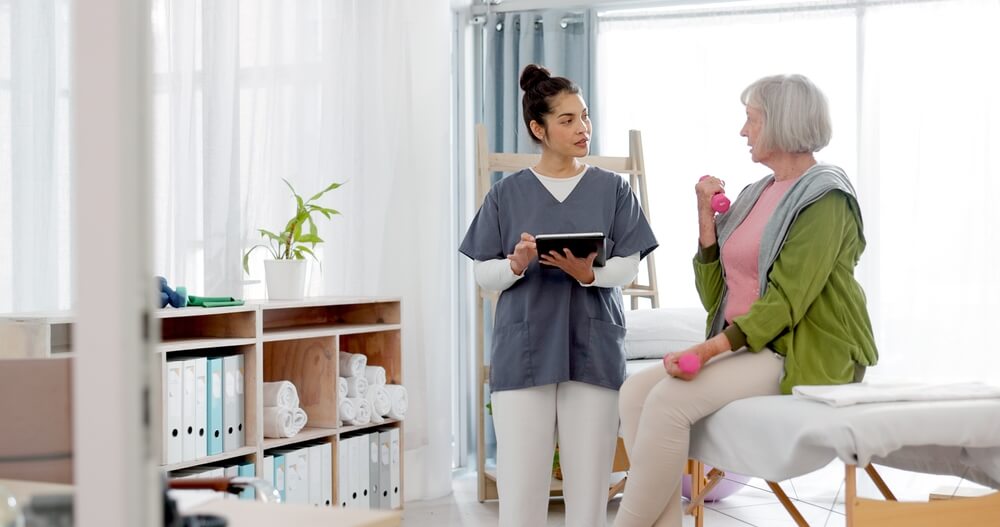
Doctor spending more time with a patient because of ease by remote scribe help

The practice of nurse practitioners for mental health occurs within various medical environments, and they treat various patients.

The conditions common at the workplace include:

  • Psychiatric hospitals and facilities.
  • Outpatient mental clinics.
  • Healthcare facilities (community-based).
  • Rehabilitation centers.
  • Virtual mental health and tele-mental health programs.
  • Psychiatrists in private practice.

Telehealth has made a significant contribution to mental health. A report by the National Institute of Mental Health (NIMH) suggests that there is a growing tendency towards telehealth applications in an effort to address the problem of provider shortage and increase accessibility.


Benefits of Hiring a Psychiatric Mental Health Nurse Practitioner  

Psychiatric mental health nurse practitioners play a crucial role in the diagnosis, treatment, and management of mental conditions,

Recruitment of Psychiatric Mental Health Nurse Practitioners (PMHNP) can be of great benefit to the healthcare practices, clinics, and patients. 

These professionals bring together high-level nursing knowledge and mental health specialization, and it is a very valuable contribution to any mental health team. 

Key benefits include:

1. Increased Access to Care

PMHNPs are able to deliver mental care in underserved psychiatric areas to serve additional patients with adequate care in good time.

2. Complete Care

They are able to provide psychotherapy and medication treatment, which is holistic to mental health treatment.

3. Early Intervention & Prevention

PMHNPs are concerned with identifying and managing symptoms at an early age, minimizing the chances of a condition progressing.

4. Collaborative Approach

They act in collaboration with physicians, therapists, social workers, and families, which makes their care coordinated and individual.

5. Patient Education & Support

PMHNPs provide patients and families with information, coping mechanisms, and long-term resources to support mental well-being.

6. Cost-Saving Solution

Hiring a virtual PMHNP will help to save healthcare expenses by preventing hospitalization, enhancing compliance with treatment, and improving patient satisfaction.

7. Flexibility and Adaptation

PMHNPs are able to practice in hospitals, outpatient clinics, schools, telehealth systems, and community mental health centers.

Involving PMHNPs in your practice or care team not only increases patient outcomes but also improves the overall effectiveness and accessibility of mental health services.


PMHNPs vs Psychiatrists: Understanding the Difference!

Although psychiatric NPs and psychiatrists both treat mental health conditions, their education and roles differ.


Feature PMHNP Psychiatrist
Education Advanced nursing degree (MSN or DNP) Medical degree (MD or DO)
Training Focus Nursing-based patient care Medical and pharmacological training
Treatment Methods Therapy, medication management, and patient education Diagnosis, medication, and advanced psychiatric treatments
Cost Typically, lower service cost Usually higher treatment cost

Both professionals collaborate to provide comprehensive mental healthcare.


Hire Virtual PMHNPs with Health & Jobs to Build a Scalable Mental Health Team!

It is imperative that healthcare organizations construct a credible mental healthcare team in an effort to supply increasing patient demand. 

Health & Jobs can assist practices that want to hire skilled virtual PMHNPs. Our trained and professional remote psychiatric mental health nurse can provide reliable services to your patients, enhance the quality of operation, and expand your mental health services on a broader scale.

Through the employment of online NP psychiatry, health providers will gain more coverage of their patients, lessen staffing issues, and provide high standards of psychiatric care at a cost-effective solution! 


Why Choose Health & Jobs?

  • Access Top Talent Nationwide. Connect with highly qualified, licensed PMHNPs without geographical limitations.
  • Scalable Staffing Solutions. Easily expand or adjust your mental health team based on patient demand and workload.
  • Cost-Effective Hiring. Reduce overhead costs associated with full-time, in-office staff while maintaining high-quality care.
  • Flexible Engagement Models. Hire virtual PMHNPs on full-time, part-time, or project-based arrangements.
  • Fast Onboarding & Placement. Our streamlined process quickly matches your organization with the right professionals.
  • Quality Assurance. All PMHNPs are thoroughly vetted, licensed, and experienced in telehealth and virtual care.
  • Enhanced Patient Access. Extend mental health services to underserved areas and remote patients through telehealth.
  • Support for Multidisciplinary Teams. Our virtual PMHNPs integrate seamlessly with existing clinicians, therapists, and care staff.

Share your requirements and get your customized quote. Hire Today with Health & Jobs!


FAQs

Can a psychiatric nurse practitioner PMHNP prescribe medication?

Yes, in most states, PMHNPs can prescribe psychiatric drugs; however, the range of practice differs according to the state regulations.

Is a mental health nurse practitioner a psychiatrist?

No, PMHNPs are advanced practice nurses, whereas psychiatrists are medical doctors who are specialists in the area of psychiatry.

Are PMHNPs in high demand?

Yes. The rising mental health crisis and clinician shortages have put a lot of strain on the demand for psychiatric mental health NPs within the healthcare facilities.

How quickly can practices hire a PMHNP through Health & Jobs?

Recruiting time timelines fluctuate based on the staffing needs, yet the healthcare staffing websites frequently enable organizations to find qualified PMHNPs within a shorter time compared with the conventional recruitment techniques.


05Feb

What Does a Chiropractic Assistant Do? Skills, Duties, and Benefits

Managing a busy chiropractic clinic can quickly become overwhelming, especially when your administrative tasks start pulling attention away from patient care. From appointment scheduling to patient intake and insurance coordination, the role of a chiropractic assistant is critical to daily operations. 

Health & Jobs bridges this gap! How?  By providing trained, pre-vetted remote certified chiropractic assistants to U.S. healthcare practices. We offer dependable support at affordable rates without compromising quality.


What is a Chiropractic Assistant?

A Chiropractic Assistant (CA) is a significant part of a chiropractic practice that contributes to clinical and administrative processes. Chiropractic assistants assist in the smooth daily operations by attending to the patients and arranging the schedules, records, and supporting the chiropractors with non-medical activities. 

Chiropractors are in a position to concentrate on patient care with an organized, efficient practice environment due to their role as chiropractic office assistants.

The common duties of a chiropractic assistant are:

  • Receiving and attending to patients.
  • Dewing schedules and calendar management.
  • Dealing with phone calls and patient inquiries.
  • Keeping the patient records and documentation.
  • Helping with payment, insurance checks, and billing.
  • Compliance and supporting office functions.

What is a Chiropractic Virtual Assistant?

Hiring a remote chiropractic assistant through Health & Jobs is a smart choice for U.S. chiropractic practices looking to streamline operations and reduce administrative workload.

With the changing nature of chiropractic practices, most clinics of professional chiropractors are resorting to the use of Chiropractic Virtual Assistants (CVAs), who are remote practitioners but carry out the same basic administrative tasks without the need to be in the clinic. 

Virtual assistants act as effective and compliant users of secure digital tools and practice management systems to assist chiropractic offices.


At Health and Jobs, we offer trained and pre-vetted chiropractic virtual assistants who have been trained on U.S. healthcare processes and HIPAA compliance. Your virtual assistants become part of your practice and provide reliable services at a 60-80% less cost than hiring employees in-house.


What Does a Chiropractic Assistant Do? 

A Chiropractic Assistant (CA) is a trained professional. They can be of significant help in making your chiropractic practice run smoothly. 

They assist chiropractors in their daily administrative and patient-facing activities, facilitate effective operations, and make patients experience a pleasant environment. Though they do not perform clinical procedures, they play a critical role in the success of the practice.

A chiropractic office assistant will normally do these tasks for you:

→ Managing check-in and check-out of patients, welcoming patients, and running their schedules accordingly.

→ Scheduling and calendar management of appointments as a virtual scheduler.

→ Responding to phone calls, emails, and patient queries.

→  Intake forms and documentation of patients.

→ Basic billing and insurance checking.

→ Electronic health records (EHRs) maintenance.

→ Receiving of payments and invoice processing.

→ Arranging follow-ups and appointment reminders.

→ Ensuring HIPAA and office compliance.


Key Duties and Responsibilities of a Chiropractor Assistant

A chiropractic assistant supports the chiropractor in making sure efficient, patient-centered care is being delivered. 

Their responsibilities are usually a mix and match of front-office, back-office, and clinical support tasks. 

→ Patient Communication and Scheduling. One of the primary duties of a chiropractic assistant includes managing appointment scheduling and confirming visits via seamless patient coordination. 

Moreover, they are also responsible for collecting patient intake forms, medical histories, and insurance details. Once the treatment is over, a chiropractic assistant must remain in contact with the patient for appointment reminders and post-treatment follow-ups. 

→ Patient Education. Chiropractor assistants also guide patients on post-treatment care, briefing them on exercises, lifestyle suggestions, and clinic policies for future visits. 

→ Documentation and Records. A certified chiropractic assistant is trained to maintain accurate patient records on Electronic Health Records (EHR), document their visits, and make sure the documents are compliant. 

→ Billing and Insurance Coordination. Many chiropractic assistants are well-versed in finance-related tasks at a medical practice. These include verifying patients’ eligibility for insurance, submitting subsequent claims, managing co-payments, and following up on outstanding balances. 


Essential Skills of a Chiropractor Assistant 

Hiring a virtual chiropractic assistant offers several benefits for both employers and patients.

You may need more than just technical skills to succeed as a successful chiropractor virtual assistant at a healthcare practice. Interpersonal and organizational skills are just as important as clinical expertise for a chiropractic technician since much of the role depends on communication and adaptability. 

A chiropractic assistant job description mentions these essential skills that a trained CA must have. 

1. Basic Clinical Knowledge

The training program for a chiropractic assistant does not contain a full-fledged medical education; however, they must be familiar with basic chiropractic procedures, anatomy, and therapeutic modalities in order to support treatment workflows. 

2. Communication Skills

Chiropractor assistants are in consistent coordination with patients throughout their care journey; thus, clarity, empathy, and professionalism become a prerequisite in their job description. 

3. Organizational Abilities

Precise attention to detail and time management is required for a chiropractic assistant to effectively manage schedules, records, and billing tasks for a chiropractor’s practice. 

4. Technology Proficiency

A chiropractor virtual assistant must accustom themselves with several telehealth platforms, including an EHR system, to comfortably navigate digital tools. 

5. Compliance Awareness

Understanding and complying with HIPAA regulations is critical and required for ensuring patient privacy for remote chiropractor assistants. 


Chiropractor Medical Assistant: Where Do They Work?

Their place of work largely depends on the chiropractic assistant’s job duties. While they primarily work in private clinics run by chiropractors, their employment depends on the practice model, including independent chiropractic offices, sports rehabilitation centers, wellness and pain management clinics, and multi-disciplinary healthcare clinics.

Virtual chiropractor assistants may also support telehealth-enabled chiropractic practices in the wake of the rise of remote healthcare operations. Working from off-site locations, these roles adequately manage administrative tasks, patient communication, and documentation. 


Benefits of Hiring a Chiropractor Assistant 

Hiring a virtual chiropractic assistant offers several benefits for both employers and patients.

Hiring a virtual chiropractic assistant offers several benefits for both employers and patients. Their presence points to a smooth workflow of a clinic and subsequent improved care delivery. Thus, chiropractors are able to focus more on hands-on patient treatment and clinical decision-making by delegating administrative tasks to the assistants. This results in fewer burnouts and improved productivity..

The benefits of hiring a chiropractic assistant include:

  • Reduces the chiropractor’s administrative workload.
  • Allows more time to focus on patient care and treatments.
  • Improves appointment scheduling and clinic organization.
  • Enhances patient experience through timely communication.
  • Ensures accurate documentation and record management.
  • Supports insurance verification and billing processes.
  • Minimizes patient wait times and scheduling errors.
  • Helps maintain HIPAA compliance and office protocols.
  • Increases overall clinic efficiency and productivity.
  • Supports practice growth without overwhelming staff.

Virtual Chiropractor Assistant vs In-House Assistant

A certified chiropractic assistant can serve a professional chiropractor in both in-house and remote settings. 

There are distinct advantages associated with both virtual and in-house chiropractic assistants, and the preference primarily depends on a healthcare practice’s operational needs. 

An in-house chiropractor assistant may be more useful in providing hands-on clinical support, such as assisting during procedures, preparing equipment, and directly interacting with patients on-site.

Whereas a virtual chiropractic assistant is more focused on patient intake, scheduling, and documentation. They may also partake in financial responsibilities, depending on their training. They are an ideal option for those practices looking to streamline operations without having to expand physical staff. 

Here is quik comparison of both:

Feature In-House Chiropractic Assistant Chiropractic Virtual Assistant
Work Location On-site at the clinic Remote (off-site)
Hiring Cost Higher (salary, benefits, training) Lower, no benefits or office costs
Training Requires in-house training Pre-trained and pre-vetted
HIPAA Knowledge Varies by hire Trained in U.S. HIPAA standards
Scheduling Support Business hours only Extended or flexible coverage
Administrative Tasks Yes Yes
Patient Communication In-person & phone Phone, email, text, online portals
Scalability Limited by space & budget Easy to scale up or down
Equipment & Workspace Provided by the clinic Not required
Best For Clinics needing physical presence Clinics focused on efficiency & cost savings

Which Option Is Right for Your Practice?

→ Choose an in-house chiropractic assistant if your clinic requires hands-on, physical patient interaction.

→ Choose a chiropractic virtual assistant if your priority is cost control, flexibility, and administrative efficiency…


Who Should Hire a Chiropractor Assistant?

A chiropractic assistant is a necessary resource to chiropractic therapy practices that would like to enhance efficiency and patient satisfaction, as well as the daily practice. The most effective practices enhanced by the hiring of a chiropractic assistant are the following:

  • Individual chiropractors requiring assistance in appointment management, calls, and records.
  • High patient volume and high front-desk workload, chiropractic clinics.
  • Growing practices that are broadening their services or entering new markets.
  • Chiropractic offices in multiple locations that require regular administrative services.
  • Clinics that have staff burnout as a result of high administrative workloads.
  • Patient experience-oriented and office operations practices.
  • Chiropractors; interested in lessening the non-clinical activities and concentrating on treatment.

Chiropractic virtual assistants provide the same administrative knowledge even remotely, which is why it would be a good fit for practices that require flexibility and affordability, and which need professional assistance but are not willing to spend on a full-time and in-house staff.


Hire a Remote Chiropractor Assistant with Health & Jobs!

Physician assistant duties entail both clinical and administrative tasks that greatly help frontline medical professionals prioritize and focus on more complex procedures.

A qualified chiropractic assistant is not only trained to tackle administrative tasks. They must be trained in the workflow of a healthcare facility, patient communication, and data compliance. 

Hiring a remote chiropractic assistant through Health & Jobs is a smart choice for U.S. chiropractic practices looking to streamline operations and reduce administrative workload. 

Our assistants are pre-trained, pre-vetted, and HIPAA-compliant, ensuring they can seamlessly handle scheduling, patient communication, billing support, and record management. 

By choosing a remote chiropractic assistant, your clinic saves on overhead costs while gaining flexible, reliable, and professional support tailored to your needs. 

With Health & Jobs, chiropractors can focus on what matters most… providing quality patient care, while our trained virtual professionals can take care of the administrative tasks that keep your practice running smoothly.

→ Partner with us to hire a reliable remote chiropractor assistant and build a more efficient, patient-focused care model. We offer ONE WEEK free trial… Contact Now!


FAQs

Are virtual chiropractor Assistants HIPAA compliant?

Yes, professional virtual chiropractic assistants are trained to follow HIPAA guidelines and handle patient data securely.

What does a chiropractor’s assistant do?

A chiropractic assistant is trained to support daily clinic operations by managing patient intake, scheduling, documentation, and treatment coordination.

Do chiropractor assistants need certification?

Not always. Though formal training or experience in chiropractic or healthcare settings is often preferred.

How does a chiropractor assistant help with billing?

Chiropractor assistants assist with insurance verification, claim submissions, payment collection, and billing follow-ups.

Is hiring a chiropractor assistant cost-effective?

Yes, hiring a virtual chiropractic assistant reduces administrative burden and operational costs while improving efficiency.

29Jan

What is a Physician Assistant (PA)? Skills, Duties & Benefits

The healthcare sector primarily functions on collaboration between multiple roles to provide the best possible care to the patients. While basic medical knowledge is a prerequisite for every job at a practice, much of the clinical staff is formed by assistive personnel. Either licensed or otherwise, alongside secondary healthcare providers. 

Such as the job of Physician Assistants, who are a highly trained coterie of medical professionals working to support physicians with day-to-day tasks in tending to the patients. Their significance in the healthcare setting is underscored by the increasing rate of employment of PAs in the US, which is projected to grow 20% from 2024 to 2034, much faster than the average for all occupations. 


What Is a Physician Assistant (PA)?

A physician assistant (PA) is a licensed medical professional who provides optimal patient care under the supervision of a physician.

A physician assistant (PA) is a licensed medical professional who provides optimal patient care under the supervision of a physician. They are trained to do everything a physician does, including diagnosing illnesses, prescribing medicines, developing treatment plans, and even performing procedures. 

The core distinction between a physician and their assistant is the scope of training and education. The former undergoes over 7 years of education and residency for independent practice; meanwhile, PAs are required to complete a 2–to 3-year master’s program along with relevant certifications and job experience. 


What Does a Physician Assistant Do?

A physician assistant has a versatile skillset depending on the clinical setting and number of certifications. By gaining expertise in preventive care, acute care, and chronic disease management, PAs cover a lot of ground in medicine, allowing physicians to focus on more complex cases. 

Responsibilities of a virtual physician assistant typically includes telehelath that is conducting consultations via telecommunication technology such as phone or video calls, reviewing and managing patient histories and documentation, interpreting lab results for diagnosing illnesses, and more. 

Despite being available virtually, Physician virtual assistants are essentially involved in primary patient care and are often in direct correspondence with them. 


Key Duties and Responsibilities of a Physician Assistant 

The core distinction between a physician and their assistant is the scope of training and education.The primary job of a physician assistant is to support physicians during day-to-day patient care, improving workflow efficiency in a fast-paced medical environment. From patient evaluation to surgical assistance, physical assistants play a crucial role in ensuring smooth operations across the practice. 
While traditional physician assistants are equipped to provide in-person, hands-on clinical care to patients, such as performing physical exams and procedures, virtual PAs utilize telemedicine to support physicians. Their contribution to telehealth remains crucial due to the evolving nature of medicine, involving both clinical and administrative care.

→ Virtual Examinations: Virtual physician assistants are trained to conduct, assess, and document patient assessments via means of telecommunication technology such as audio or video calls. 

→ Diagnosis & Treatment: After a thorough review of the patient’s condition, they help physicians in diagnosing illnesses and subsequently formulating a customized treatment plan for them. 

→ Prescription & Orders: Physician assistants may order diagnostic tests and imaging depending on the patient’s condition and prescribe relevant medications. 

→ Triage and Communication: PAs are responsible for handling correspondence with patients, offering proper guidance for the best possible care. 

→ EHR Management: Working under the guidance of a licensed physician, PAs are tasked to maintain accurate, real-time documentation in Electronic Health Records. 


Essential Skills of a Physician Assistant 

Physician assistants working remotely must be provided additional training for HIPAA compliance

Key skills of a virtual physician assistant extend beyond mere clinical training, encompassing technology proficiency, compliance, and data security knowledge. 

A good VPA must have: 

Strong Clinical Judgement

 Virtual physician assistants must rely on patient history, data interpretation, and critical thinking for diagnosis and treatment due to the impediment of physical exams 

Digital Communication Skills

Required for clear and empathetic correspondence with patients. 

Telehealth Proficiency

VPA must be adept in telemedicine platforms and remote monitoring tools for seamless operations. 

Compliance and Data Security

Physician assistants working remotely must be provided additional training for HIPAA compliance to avoid security risks around patient data. 


Where Do Physician Assistants Work?

Physician assistants form the backbone of a healthcare facility, as their skillset is highly versatile and may vary as per the healthcare organization they are working in.

They sometimes work in general telehealth and virtual care platforms to support remote consultations and clinical documentation across digital care systems. However, many physician assistants offer their services to specialty-specific organizations as well. 

Common virtual PA practice areas include: 

General clinics, where they manage routine visits, chronic condition follow-ups, revising medications, and patient communication. 

Specialty clinics, VPAs are categorized based on the provision of coordinated patient care in several specialized care units, such as psychiatric, cosmetic physician assistants, orthopedic physician assistants, and aesthetic physician assistants, among others.

One such type is a dermatology physician assistant, who reviews patient-submitted images to virtually evaluate skin conditions. After reaching a diagnosis, they ensure timely communication with patients to manage treatment follow-ups and coordinate prescriptions.


Benefits of Hiring a Physician Assistant for Your Facility 

Physician assistant duties entail both clinical and administrative tasks that greatly help frontline medical professionals prioritize and focus on more complex procedures.

A physician assistant offers incomparable support in a clinical setting, especially considering their versatile skillset and ability to handle the daily grind of patient care. 

Physician assistant duties entail both clinical and administrative tasks that greatly help frontline medical professionals prioritize and focus on more complex procedures. 

Hiring a virtual physician assistant for your healthcare facility promotes productivity and reduces burnout among physicians as the former are able to seamlessly handle documentation, follow-ups, and routine patient care. 

With your physician assistant online working for you, remotely, you will also be saving significant costs typically associated with in-house physician staffing, requiring office space, equipment, and other benefits. 

Remote care by VPAs greatly improves patient experience with wider outreach of healthcare via telehealth.  

Physician Assistant vs Nurse Practitioner 

Physician assistants and nurse practitioners have similar basic duties that include diagnosis, treatment, and prescribing medications to patients. 

The primary differences lie in their training approaches and ability to work independently.

→ Training Models. PAs focus on disease pathology and diagnosis, offering generalized or collaborative care. 

Meanwhile, the training model for nurse practitioners is strongly patient-centered, such as disease prevention and post-operative care. 

→ Practice Authority. The training scope of a nurse practitioner allows them independent practice in many states, while PAs can only work under the supervision of a physician. 

→ Specialty Flexibility. Physician assistants typically train as general practitioners, and thus can switch specialties without further certifications. 

NPs receive population-specific training, such as pediatrics and acute care, and require recertification to change specializations.


Hire The Best Physician Assistant For Your Practice With Health & Jobs

Hire The Best Physician Assistant For Your Practice With Health & Jobs

Hiring a Virtual Physician Assistant for your healthcare facility requires more than clinical credentials, especially due to their special circumstances as working remotely. Regardless, as a trusted staffing agency, Health & Jobs supports medical practices by connecting organizations with experienced physician assistants and other talented and trained personnel around the globe.

We bring together a clique of highly-trained physician assistants, who are not only fully licensed but also equipped with the skills required to function in remote settings. They are HIPAA-compliant and ready to integrate into your existing workflows. 

Why Hire With Health & Jobs?

  • Access to pre-screened, qualified healthcare professionals ready to work from day one…
  • Expertise across clinical, administrative, billing, and support roles.
  • Faster hiring with reduced time-to-fill critical positions.
  • Strict credentialing, compliance, and background verification for every candidate.
  • Flexible hiring options: temporary, permanent, remote, and contract staffing.
  • Cost-effective staffing solutions that reduce recruitment and overhead costs.
  • Deep understanding of US healthcare regulations, workflows, and standards.
  • High retention focus through role-fit matching and ongoing support.
  • Dedicated account management for personalized hiring solutions.
  • Proven track record of helping healthcare organizations scale safely and efficiently.

Connect with us to access top-tier virtual PA talent and build a more efficient healthcare model.


FAQs

What is a physician assistant?

A physician assistant is a highly trained professional who practices medicine under the supervision of a physician. 

Is a physician assistant a doctor?

While a physician assistant is trained to diagnose and treat patients, they are not a doctor and can only work in collaboration with licensed physicians. 

Can a physician assistant prescribe medication?

Yes, depending on state regulations, physician assistants can prescribe medications under physician supervision. 

What is the difference between a physician assistant and a nurse practitioner?

Differences between a physician assistant and a nurse practitioner lie in their training models and ability to work independently. 

How quickly can a PA be placed through a staffing agency?

Placement timelines via physician assistant staffing agencies vary and largely depend on availability and licensure.

24Jan

What is a Patient Care Technician (PCT)? Skills, Duties & Benefits 

Working in healthcare is a commendable feat in itself. Yet some roles, such as patient care technicians (PCTs), are essential for the day-to-day patient care. As virtual inpatient support, remote healthcare technicians are equipped to deal with the realities of patients that a regular technician might not be aware of, thus underscoring the physical and emotional intensity of their work. 

Nearly 75% of U.S. physicians now use telehealth regularly. It is driving increased demand for remote clinical support roles such as virtual PCTs. As frontline professionals, patient care technicians end up spending more time with the sick than their surgeons, physicians, and even nurses. Therefore, should you decide to hire one, you must ensure they check all the right boxes of reliable patient care. 


What is a Patient Care Technician?

A Virtual Patient Care Technician (PCT) plays a vital role in supporting patient wellbeing through remote, technology-enabled care. PCTs assist with monitoring patient needs, documenting symptoms or concerns, and facilitating communication between patients and clinical teams. They help ensure comfort, safety, and continuity of care by guiding patients through routine checks, reinforcing care plans, and escalating clinical issues to nurses or providers as needed.

Patient care tech responsibilities include maintaining smooth daily operations by managing virtual patient interactions, updating electronic health records, and supporting telehealth workflows that enhance patient experience and clinical efficiency. 

This role requires compassion, strong communication skills, attention to detail, and a commitment to delivering high-quality care within a modern, patient-centered virtual environment.


Types of Patient Care Technician (PCT)

A patient care technician job falls under the umbrella category of a medical/healthcare technician. Their types depend on what a patient care tech actually does. 

Moreover, virtual PCT job duties extend to being hired for remote patient care. 

The common areas where patient care tech duties and responsibilities are valued are: 

→ Remote Hospital Technician: Provides virtual assistance to hospital care teams. By documenting patient data, monitoring vitals remotely, and communicating updates through EHR systems.

→ Remote ICU Support PCT: Supports critical care units. By tracking patient vitals through remote monitoring systems. Promptly alerting clinical teams to abnormal trends.

Remote Emergency Department PCT: Assists emergency departments remotely by managing patient intake documentation, tracking labs and EKGs, and supporting rapid care coordination.

→ Remote Long-Term Care PCT: Monitors residents’ health data, documents daily care activities, and coordinates communication between caregivers and clinical staff.

→ Remote Behavioral Health PCT: Supports mental health teams by documenting patient behavior, assisting with telehealth sessions, and reporting safety or clinical concerns.

→ Virtual Pediatric Patient Care Tech: Provides virtual support for pediatric patients by assisting with symptom tracking, parent communication, and telehealth follow-ups.

→ Remote Radiology Patient Care Tech: Coordinates imaging appointments, manages patient instructions, and ensures accurate documentation before and after diagnostic procedures.

→ Remote In-Home Care Support PCT: Assists home-based patients through virtual check-ins, health monitoring, and ongoing communication with healthcare providers.


What Does a Patient Care Technician Do? Roles and Responsibilities Explained!

A patient care technician encompasses a plethora of responsibilities in a healthcare setting. As the name suggests, they primarily deal with patient care; however, their skills extend from basic daily care to technical care. 

Daily Virtual Patient Support

Provides remote assistance to patients through telehealth platforms. Includes guiding daily care routines, mobility instructions, and basic self-care education.

Remote Monitoring of Vital Signs

Monitors blood pressure, temperature, heart rate, and oxygen levels using remote patient monitoring systems. They also document changes for clinical review.

Digital Sample & Lab Coordination

Coordinates laboratory testing by scheduling sample collections, tracking results, and ensuring accurate documentation rather than performing physical collection.

Clinical Team Support (Remote)

Perhaps the most important responsibility of a patient care tech entails remotely assisting nurses and doctors during procedures and routine tasks. 


Where do Virtual Patient Care Technicians Work?

A patient care technician may work for a hospital, nursing home, assisted living facility, or provide virtual in-home services, depending on their specialty. 

Nevertheless, a patient care technician role is a crucial entity in medicine, without which the healthcare system could not function effectively… 

Essential Skills of a Patient Care Technician

Should a person decide to become a virtual patient care technician, there is a set of technical skills they can acquire via proper training and practice. These include monitoring and recording vitals remotely, guiding and preparing patients for procedures, etc. 

However, there is a completely separate set of skills a PCT must have to actually qualify as one. These are strong communication skills to connect with patients, attention to detail to accurately monitor patients under their care, teamwork as they must work closely with nurses, doctors, and other healthcare staff, and physical stamina to handle long shifts and hands-on patient tasks.  

Essential PCT skills are:

  • Compassionate and attentive in providing remote care.
  • Skilled in digital health tools and patient monitoring.
  • Works effectively with nurses and healthcare professionals online.
  • Clear, respectful, and empathetic interaction across virtual channels.

Qualification requirements usually mention inthe  patient care tech job description are: 

  • Bachelor’s degree required.
  • Prior healthcare or hospital experience preferred.
  • Excellent communication, attention to detail, and ability to multitask in a fast-paced remote environment.
  • Reliable internet connection, basic computer proficiency, and familiarity with telehealth platforms and electronic health records (EHR) systems.

Patient Care Technician vs CNA vs MA: What’s the Difference?

A patient care technician is often mistaken for a nurse or a medical assistant due to the apparent overlap of responsibilities among the three. However, PCTs have a broader scope of skills than the other two and require specialized training. 

While a certified nursing assistant (CNA) is usually trained to perform basic patient care, assisting with Activities of Daily Living (ADLs), a patient care technician deals with advanced clinical tasks along with the CNA duties. A medical assistant takes on more of an administrative role in healthcare. 

While Patient Care Technicians (PCTs), Certified Nursing Assistants (CNAs), and Medical Assistants (MAs) all support healthcare teams, their training, responsibilities, and work settings differ significantly

→ Patient Care Technician (Virtual PCT)

  • Combines hands-on clinical knowledge with remote patient monitoring and telehealth support.
  • Tracks vitals, symptoms, and alerts using RPM tools, EHRs, and clinical dashboards.
  • Supports nurses and physicians across multiple departments simultaneously.
  • Plays a critical role in early intervention, care coordination, and continuity of care.
  • Requires stronger clinical judgment, documentation accuracy, and tech proficiency.
  • More scalable, higher-impact role in modern and future-focused healthcare systems.

→ Certified Nursing Assistant (CNA)

  • Focuses primarily on basic, in-person patient care and daily living assistance.
  • Limited clinical scope; does not independently perform technical or monitoring tasks.
  • Works under direct supervision with minimal documentation responsibilities.
  • Primarily facility-based with little involvement in telehealth workflows.
  • The role is essential but restricted to bedside support.

→ Medical Assistant (MA)

  • Balances administrative and basic clinical duties in outpatient settings.
  • Focuses on patient intake, scheduling, billing, and room preparation.
  • Limited involvement in acute care or continuous patient monitoring.
  • Typically supports physicians rather than nursing teams.
  • Less exposure to inpatient or high-acuity clinical environments.

Why the Virtual PCT Role Stands Out!

→ Extends clinical care beyond physical walls. Through technology.

→ Enhances patient safety through real-time monitoring and rapid escalation.

→ Supports multiple care teams, improving efficiency and workload balance.

→ Represents the most adaptable and future-ready role among the three.


Benefits of Hiring a Healthcare Patient Technician for your Practice!

Patient Care Technicians (PCTs) play a critical role in keeping healthcare facilities efficient, compliant, and patient-focused. They handle essential frontline tasks and offer crucial support to clinical teams, allowing licensed professionals to focus on higher-level medical responsibilities. 

Hence, patient care technician staffing has become a necessity in healthcare settings rather than merely a convenience. 

Most prominent benefits your practice enjoys when you hire a virtual patient care technician are:

  • Improves clinical workflow by handling patient monitoring, documentation, and routine care tasks.
  • Enhances patient safety through consistent vital sign tracking and timely reporting.
  • Increases provider efficiency by allowing doctors and nurses to focus on critical care.
  • Improves patient experience with continuous support, education, and reassurance.
  • Offers a cost-effective staffing solution without compromising quality of care.
  • Strengthens care coordination between patients and clinical teams.
  • Supports growing practices with scalable staffing solutions.
  • Adapts seamlessly to telehealth and remote patient monitoring models.

It is also paramount that such an important role is filled through a reliable patient care technician staffing agency to help healthcare facilities stay agile and ensure patient satisfaction. 


Hire the Right Patient Care Technicians for Your Facility with Health & Jobs!

Whether you need short-term hospital staffing support, long-term placements, or outsourcing, Health & Jobs offers patient care technician shortage solutions in the midst of nationwide workforce challenges. 

It’s more than just filling vacancies…  the right patient care technician must adapt to a fast-paced clinical environment in order to strengthen workflow.

As a program dedicated to delivering tailored clinical staffing services, we are designed to meet the evolving requirements of healthcare settings. 

Patient care technicians at our disposal are screened for both technical competency and workplace readiness. Health & Jobs acutely understands industry demands, helping organizations hire patient care technicians who integrate seamlessly into existing teams. Ready to work from day one. 

Why Hire with Health & Jobs?

At Health & Jobs, we offer a healthcare workforce solution. With us, you will get:

→ Access to pre-vetted, highly qualified healthcare professionals.

→ Specialized recruitment for virtual Patient Care Technicians.

→ HIPAA-compliant candidates. Trained in EHR systems and clinical workflows.

→ Faster hiring process. Offering reduced administrative burden.

→ Trained on healthcare skills, communication ability, and cultural fit for United States healthcare.

→ Cost-effective staffing solutions without compromising care quality.

→ Flexible hiring models. We support short-term, long-term, and remote needs.

→ Ongoing support. It is to ensure a smooth onboarding and workforce retention. 


Schedule your consultation. Partner with Health & Jobs to hire a dependable patient care technician and build a stronger, more resilient healthcare team today!


FAQs

What is a patient care tech?

A patient care technician (PCT) is part of the medical team, trained to provide hands-on patient support and assist clinical staff in healthcare settings.

What does a patient care tech do?

A patient care tech helps with basic patient care, performs vital signs, collects samples, and supports nurses.

What is the difference between a patient care tech and cna?

While both provide direct patient care, PCTs receive specialized training to perform technical tasks such as EKGs and phlebotomy.

Can a Patient Care Technician (PCT) become a nurse later?

Yes. PCTs may utilize their hands-on clinical experience as a stepping stone to pursue nursing programs, after gaining valuable skills and exposure that make the transition smoother.

21Jan

What Are Dental Virtual Assistants? Key Roles, Tasks, and Benefits!

Dental practices today are under growing operational pressure. They have to do the balancing of high patient expectations with rising administrative demands, staffing shortages, and increasing overhead costs.

According to the ADA (American Dental Association), administrative and staffing expenses account for nearly 55-65% of a dental practice’s total collections, significantly impacting profitability and efficiency. And at the same time, the dental workforce is experiencing a sustained hiring crisis… Yes. Four out of ten U.S. dental practices are actively trying to hire dental assistants or hygienists in any given month…

One solution gaining rapid traction is the practice of now opting to hire a dental virtual assistant (DVA). Yes, there is no need to rely solely on costly in-house staff anymore! Your dental practice can now engage trained remote professionals to manage both clinical support and administrative responsibilities. 

One solution gaining rapid traction is the practice of now opting to hire a dental virtual assistant (DVA).From insurance verification and billing to appointment scheduling and patient communication, trained virtual assistants for dental offices are helping modern practices reduce overhead. They also help to improve workflow efficiency and help you refocus on what matters most: delivering exceptional patient care!!!


What are Virtual Dental Assistants?

Virtual dental assistants or dental healthcare virtual assistants are remote employees who support dental practices to streamline their administrative, operational, and patient communication processes. These types of positions are integrated into the dental workflows and are trained in the use of secure dental systems and software, and other tools to enhance your support and practice. 

Virtual dental assistants are sometimes referred to as virtual dental office assistants. These types of assistants become extensions of your in-house staff and can enhance productivity and efficiency during periods of staff exclusion, expansion, or overall demand.


Essential Skills of a Virtual Dental AssistantIn order to help dental practices succeed, there are certain skills that remote dental assistants need to have.In order to help dental practices succeed, there are certain skills that remote dental assistants need to have.

1. Understanding of the Dental Industry

If a healthcare virtual assistant wants to work as a virtual assistant foe dental office, they must know the basic terminology, processes, and the day-to-day operations of a dental practice, so that they are able to effectively help staff and patients.

2. Technology Skills

Some of the software and systems that online dental assistants need to know how to use are the dental practice management systems, electronic health records (EHR) software, and dental insurance software.

3. Ability to Communicate Effectively!

A virtual dental assistant can play the role of a remote dental receptionist. In such cases, to help patients with questions they might have, to help staff with scheduling, and to work with the team, they must have good communication skills and be aware of the cultural norms of the country they are playing the online role for.

4. Organizational And Time Management Skills

In a dental practice, there are many activities that need to be done at the same time, and an online dental assistant needs to be able to manage time and schedules effectively.

5. Being Detail-Oriented

Dental VA needs to be able to manage documentation, employee, and patient schedules.

All of these skills help ensure that virtual dental assistants can do their work with a high level of accuracy and with a professional attitude.


Roles and Responsibilities of a Virtual Dental Assistant

A virtual assistant for dental professionals is capable of handling various tasks that include:

→ Scheduling and Coordination of Patients

A dental healthcare virtual assistant organizes and manages appointments and schedules. They are also responsible for reminders and recall notifications to reduce their no-shows and keep calendars efficient.

→ Handling Calls and Front Desk Duties

Most practices utilize a dental virtual receptionist or a virtual receptionist dental office model to handle incoming calls and quickly respond to requests from patients.

→ Verification of Insurance and Eligibility

A dental virtual assistant can be trained to handle tasks related to dental medical billing. Confirm insurance benefits, coverage, and patient eligibility to appointment in order to lessen problems concerning billing.

→ Support in Administration and Billing

To enhance accuracy and assist in maintaining the cash flow of the practice, they help with documentation, coordination of billing, and claims issues.

→ Patient Communication Along with Follow-Up Tasks

Virtual assistants help in providing more professional and consistent engagement with patients from reminders to subsequent communications after a visit.

→ General Office and Back-Office Support

In this capacity, online dental assistants can handle emails, report writing, data entries, and internal communication to ensure proper organization and the smooth running of a practice.


Why Your Practice Needs a Virtual Dental Assistant? 

Why Your Practice Needs a Virtual Dental Assistant?

A VA for dental office tasks gives operational support continuously and at a fraction of the cost of recruiting, onboarding, and retaining full-time, on-site staff.

→ Address Staffing Shortages. Virtual dental assistants offer dependable and consistent support when there’s a shortage of in-house staff and even when there’s a lot of work to be done.

→ Reduce Administrative Burden. Online dental assistants take care of the scheduling, call management, and note-keeping, thus allowing your clinical staff to not be burdened with unproductive tasks that take up a lot of time, so that dentists and hygienists are able to attend to patients more.

→ Improve Operational Efficiency. Remote dental assistants optimize workflow, keeping tasks organized, appointments updated, and communication on track. 

→ Control Overhead Costs. Outsourced staffing with a dental staffing agency removes costs associated with in-office space, equipment, training, and associated employee benefits. Practices receive high-quality support while keeping costs tighter.

→ Support Practice Growth. The quantity virtual assistant for dental offices can easily adjust to patient growth and your practice expansion.  Providing practice growth flexibility without the costs associated with additional internal staff.


Benefits of Hiring Virtual Dental Assistants!

Cost Efficiency

Practices eliminate overhead costs associated with office space, equipment, and benefits.

Operational Flexibility

Virtual support can be adjusted based on patient volume and seasonal demand.

Greater Patient Experience

For dental professionals, a virtual assistant can deliver more effective scheduling, and more timely and faster patient communication.

Constant Front Desk Coverage

A dental virtual receptionist supports interprofessional patient communication, even during peak times and staff shortages.

Collaboration with Dental Industry Experts

Practices gain access to dental virtual assistants who have already been trained and bring experience in various dental administrative roles, reducing the need for training and enhancing efficiency.

→ Additionally, many clinics benefit from a dental virtual receptionist to assist in routing phone calls and scheduling appointments without adding stress to the front desk staff.


What to Expect When Onboarding a Dental Virtual Assistant?

Incorporating a new virtual team member means that practices will have:

  • Immediate administrative relief. Scheduling, billing, insurance verification, and patient communications are handled remotely.
  • Seamless integration with your existing workflows. Requiring little to no change in how your practice currently operates.
  • Reduced staffing costs and overhead. Without the need for office space, benefits, or long hiring processes.
  • Improved efficiency and consistency. Leading to faster task completion and fewer administrative errors.
  • Better patient experience. With timely responses, reminders, and smoother appointment management.
  • Minimal transition time. Followed by long-term operational support and sustained workflow stability…

Choosing the Right Virtual Dental Assistant Through Health & Jobs

Medical transcription workflow using audio dictation and transcription software

Health & Jobs is one of the best dental recruiting companies. We streamline the process of connecting dental practices with appropriate virtual dental assistants. As a dental staffing agency, we focus on assessing candidates based on experience, relevant technology, and communication ability.

Short-term and long-term hiring options are available. Based on your stated requirements, our recruitment team will ensure that your practice receives the best possible dental virtual assistant. 


What Sets Our Dental Virtual Assistants Apart!

✔️ Highly qualified professionals with hands-on experience in dental administrative and clinical support.

✔️ Pre-vetted and carefully assessed for dental expertise, technology proficiency, and communication skills.

✔️ HIPAA-compliant and trained to handle patient data with the highest standards of privacy and security.

✔️ Culturally trained for all states of the United States. It is to align with U.S.-based dental practice workflows and patient expectations.

✔️ Proficient in leading dental software and digital tools used by modern practices.

✔️ Clear, professional communicators who integrate seamlessly with in-house teams.

✔️ Continuously trained to stay current with dental regulations, billing practices, and industry standards.


Why Hire a Dental Virtual Assistant with Health & Jobs?

→ Up to 70% Cost Savings. Reduce operational expenses without compromising on care.

→ HIPAA-Certified Talent. Every professional meets U.S. healthcare compliance standards.

→ Dedicated Specialty-Focused VA. Specialized and qualified remote staff dedicated to your practice.

→ Get pre-vetted candidates within days.

→ Staffing Expertise. From virtual dental assistants to healthcare VAs and remote administrative executives, we match talent precisely to your needs.

→ Risk-Free Trial. Try our services for one week with no long-term obligation.


Virtual Dental Assistants Are the Future of Dentistry!

As more and more dental practices incorporate online, virtual support, remote assistance will become a necessity in the dental industry.

With dental virtual assistant services, your dental office will be able to retain market competitiveness by employing a properly trained online dental assistant. 


Want to improve the efficiency of your dental practice?

Health & Jobs can help you find the best virtual dental assistant for your practice. 

Contact Now, Share your requirements… We offer ONE week FREE trial with our candidate!


Why Your Practice Needs a Virtual Dental Assistant?FAQs

What does a dental virtual assistant do?

A dental virtual assistant works remotely and specializes in helping dental offices with administration, scheduling, billing, and patient communication.

How does a virtual dental assistant enhance patient experience?

Virtual assistants improve the patient experience by providing timely responses, quick scheduling, and follow-up reminders, which help make the patient journey more seamless.

Are dental virtual assistants proficient in dental software?

Yes, the majority of virtual assistants are familiar with the software used in dental offices and scheduling.

Is it safe to share personal information with dental virtual assistants?

Yes, most of the dental virtual assistants are trained to work with sensitive information and follow HIPAA rules.

Are Virtual Dental Assistants trained in dental billing?

Most virtual assistants deal with insurance verification, billing, and claims.


16Jan

Digital Training School: Health & Jobs Empowering Healthcare Professionals to Meet Global Standards

The rapid rise of digital and remote spaces in healthcare has fueled the need for job-ready, tech-savvy professionals in the arena. While medical school can prepare for the learning part, most individuals are hardly familiar with the practical realities faced by healthcare professionals. 

Things are particularly difficult in a virtual setting due to the inherent integration of technology for which most of the staff is undertrained. 

Thus, a growing gap is formed between education and execution, reinforcing the need to train the proto help with navigating digital systems and meeting compliance standards in a professional setting. 

To bridge this gap, we focus on delivering fully trained, ready-to-perform professionals to your healthcare setting. Before placement, each and every one of our selected candidates undergoes comprehensive U.S.-standard healthcare online training. It is conducted in our specialized institute, Training Excellence Academy.

This ensures they are proficient in digital healthcare systems, virtual workflows, compliance requirements, and professional communication. Allowing them to contribute effectively in your setting, from day one!

Health & Jobs’ goal is not just to supply talent… But to provide healthcare-ready professionals who can seamlessly integrate into your operations and uphold the highest standards of care.


Our Hiring & Training Journey: From Screening to Excellence!

At Health & Jobs’ Training Excellence Academy, we are dedicated to redefining healthcare recruits for the modern workforce.At Health & Jobs’ Training Excellence Academy, we are dedicated to redefining healthcare recruits for the modern workforce. Our healthcare training institute is aimed at empowering healthcare professionals to step into their prospective roles with confidence, competence, and clarity. 
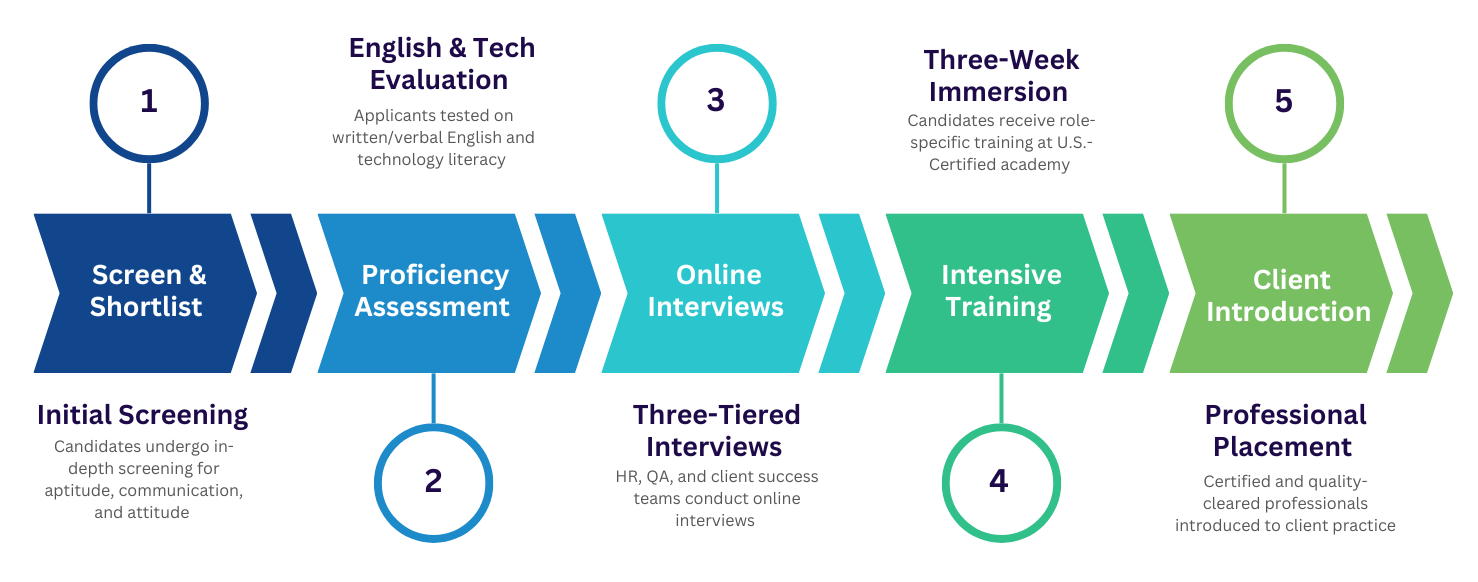
From early screening to choosing the right candidates to seeking excellence in their journey along the way, our digital training school has established itself as a provider of remote healthcare talent after evaluating them in a multi-stage hiring and training process. 


Our 5-Step Talent Pipeline 

As a renowned healthcare e learning hub, we pride ourselves on the rigorous and structured process for the selection of candidates. The multi-stage process ensures every virtual healthcare professional is fully prepared before deployment. 
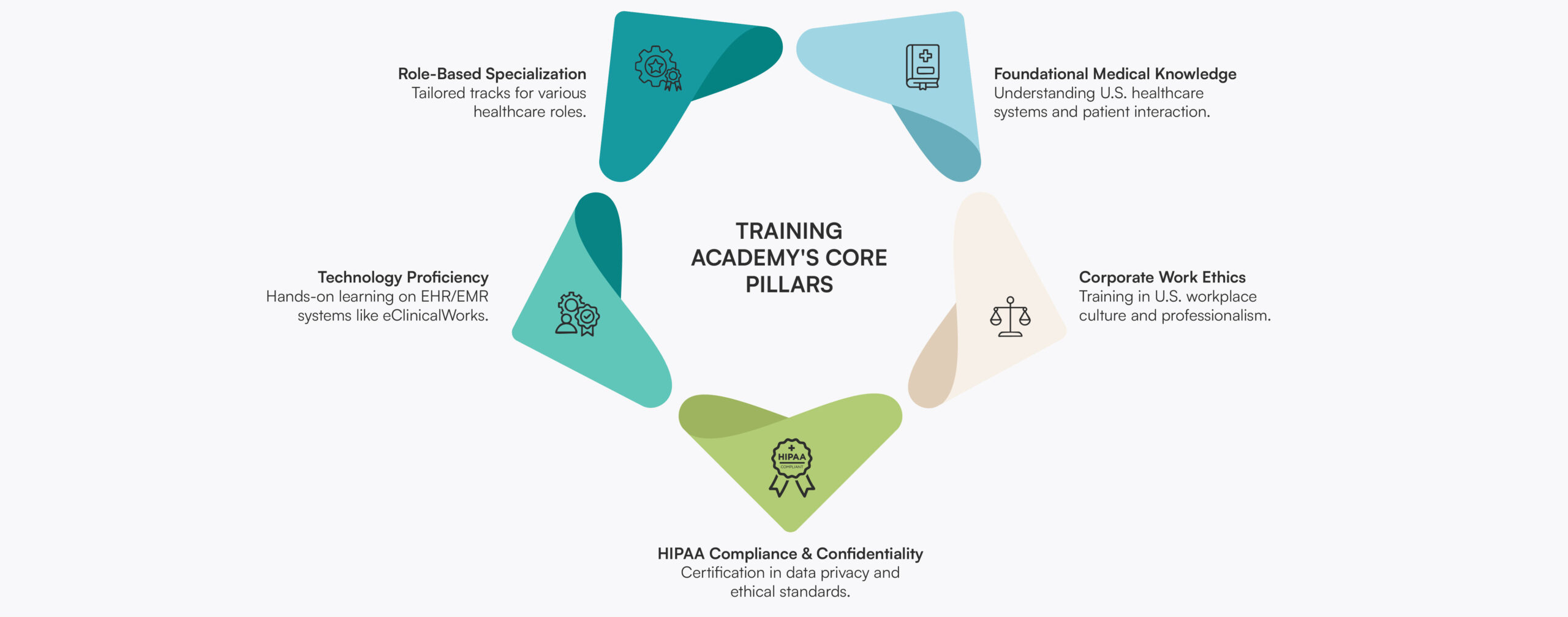
→ The first step is the screening, where potential candidates undergo an in-depth evaluation to check for aptitude, communication, and attitude. 

→ They are further short-listed on the basis of English and technology proficiency assessment.

→ Online interviews are then conducted at three stages – by Human Resources, Quality Assurance, and client success teams.

→ It is followed by intensive training of the short-listed candidates spanning three weeks.

→ Successful candidates are eventually matched with healthcare providers where they may utilize their clinical knowledge, compliance skills, and technology proficiency earned at our U.S-Certified academy. 


Our Training Process: Built for U.S. Healthcare Expectations

In the United States, where professional expectations keep soaring high, Health & Jobs exists to deliver high-quality healthcare training so you don’t have to. 

As professional healthcare training providers, our academy is equipped with experienced educators and industry experts to produce the next big thing in the market. 

The healthcare online training may only last three weeks, but the invaluable lessons learnt along the way will benefit the modern workforce long term. 


Key Features of Our Digital Training Academy 

While the program is primarily set virtually, our e-learning academy also offers live mentorship and real-world simulations, sparing no effort in delivering the best. Moreover, we ensure that re-training is provided in order to stay up-to-date with industry trends. 

Our training modules are underscored by consistent performance evaluation and feedback that hold candidates accountable to the highest of standards. With certifications in HIPAA for data privacy, confidentiality, and legal standards, our institute is the number one advocate for the protection of patient information in the digital workspace. 

Our Core Training Pillars

To compete with the U.S. job market, our talent-acquisition program is built on a set of core training pillars designed to create well-rounded, job-ready healthcare professionals. 

1. Building Foundational Medical Knowledge

To gain a clear understanding of the U.S. healthcare system and apply best practices for patient communication and interaction, our trainees familiarize themselves with common medical terminology at our e-learning platform. 

2. Corporate Work Ethics

Ethics are an integral part of the healthcare workforce. Thus, our global healthcare training program puts a great emphasis on professionalism, accountability, and workplace conduct, all of them meeting the rigorous work culture in the U.S. 

This part of the program later helps professionals adapt smoothly to a remote team environment. 

3. HIPAA Compliance & Confidentiality 

Our participants are taught to fully comply with the Health Insurance Portability and Accountability Act, or HIPAA, by gaining certifications in patient data protection, ethical conduct, and the responsible handling of protected health information (PHI). 

4. Technology Proficiency 

Gone are the days when healthcare and technology were distant cousins; they now work closely together, driving practical, everyday solutions for healthcare practitioners. 

Electronic Medical Record (EMR) and Electronic Health Record (EHR) are two primary systems required for administrative purposes at a healthcare facility. Our healthcare online training also includes hands-on experience with the models of coordinated care so they can integrate seamlessly into real clinical workflows from day one.

5. Role-Based Specialization

You need not to worry about your field of specialization when it comes to choosing our institute. 

Our educators and trainers are professional experts who come from all kinds of medical fields to train the staff according to their preferred role across medical practices, dental clinics, chiropractic and wellness centers, hospitals, assisted living facilities, nursing homes, and administrative teams. 

The primary focus of our healthcare training academy remains accuracy, efficiency, and meaningful patient engagement.


Setting Global Standards in Virtual Healthcare Staffing 

At Health & Jobs’ Training Excellence Academy, we are dedicated to redefining healthcare recruits for the modern workforceThe exigent nature of the healthcare system hardly allows for strict evaluation training before professionals are brought on board. As a result, many candidates enter fast-paced environments either underprepared or overwhelmed when real-world pressures set in.

Health & Jobs addresses this gap by prioritizing structured training and rigorous assessment, ensuring that healthcare professionals are confident, capable, and ready to perform before they step into virtual roles. 


Hire Now! Start Building Your Remote Healthcare Team with Health & Jobs!

As virtual care becomes an essential part of healthcare delivery, having the right people in place matters more than ever. 

Health & Jobs connects healthcare organizations with thoroughly trained, compliance-ready professionals who are prepared to integrate seamlessly into remote and hybrid care models. From clinical support to administrative roles, teams are built with precision, reliability, and long-term performance in mind.


Ready to strengthen your healthcare workforce? 

Connect with Health & Jobs and get access to trained, certified professionals who are equipped with professional healthcare training and ready to contribute to your practice from day one.